
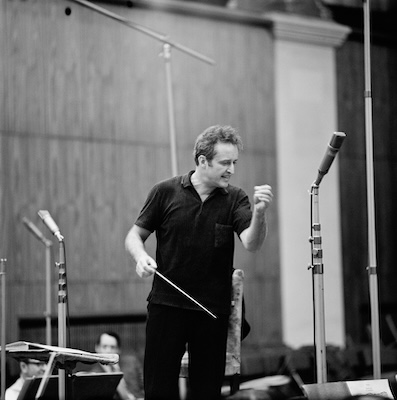
Carlos Kleiber left behind only a handful of recordings for Deutsche Grammophon, yet each one became a benchmark.
His aversion to the spotlight and obsessive perfectionism made live performances rare and studio sessions rarer still.
When he died in 2004, the classical world lost a conductor who treated baton technique like alchemy—transforming familiar symphonies into revelations.
Twenty-two years later, collectors still hunt for his Vienna Philharmonic 'Tristan und Isolde,' knowing no algorithm can replicate his tension-filled pauses.
Kleiber proved that in an age of overproduction, scarcity breeds immortality.
Kleiber proved that in an age of overproduction, scarcity breeds immortality.