
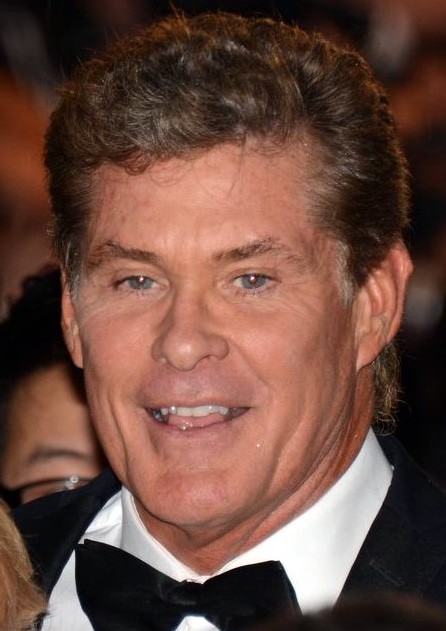
The Hoff needed no introduction even before memes made him immortal. David Hasselhoff, born July 17, 1952 in Baltimore, became America's unlikely European rock sensation while simultaneously dominating 1980s television. This Maryland native with German ancestry would bridge Atlantic pop cultures like no performer before or since.
From soap opera to Knight Rider
Hasselhoff's journey began far from Hollywood - at Bates College and California Institute of the Arts, where he trained for Broadway. His first break came unexpectedly through daytime soap opera 'The Young and the Restless' in 1975, playing Dr. Snapper Foster for seven years. But television had bigger plans for the ambitious actor.
In 1982, Hasselhoff landed the role that defined a generation's childhood - Michael Knight in 'Knight Rider'. The talking car series ran until 1986, but its cultural impact lasted decades. He reprised the role in 2008, proving some characters never fade. Between stunts with KITT, Hasselhoff nurtured musical ambitions that would soon eclipse his acting fame abroad.
Germany's unexpected rock idol
Germany discovered Hasselhoff's rock potential first. His 1980s music career, spanning hard rock to soft pop, earned multiple gold certifications across Europe. While Americans knew him as Mitch Buchannon from 'Baywatch' (1989-2000), Germans blasted 'Looking for Freedom' after the Berlin Wall fell. The dichotomy cemented his unique transatlantic appeal.
Hasselhoff's Broadway roots resurfaced in 2000 with 'Jekyll & Hyde', followed by roles in 'Chicago' and 'The Producers'. Meanwhile, his filmography grew increasingly eclectic: from voicing himself in 'The SpongeBob SquarePants Movie' (2004) to horror-comedy 'Piranha 3DD' (2012). He even originated Nick Fury on screen in 1998's TV movie, predating Marvel's cinematic universe.
The Hoff phenomenon across media
With 15 studio albums, Hasselhoff's musical output dwarfs most actors-turned-singers. His 1996 Hollywood Walk of Fame star acknowledges both acting and recording careers. The Hoff phenomenon thrives on contrasts - the macho lifeguard who belts power ballads, the American icon beloved most in German discos.
The Hoff phenomenon thrives on contrasts - the macho lifeguard who belts power ballads, the American icon beloved most in German discos.
At 74, Hasselhoff remains pop culture's most unpredictable shapeshifter. Few could transition from saving lives on Malibu beaches to singing rock anthems at Brandenburg Gate. His cameo in Adam Sandler's 'Click' (2006) and lead in Easter comedy 'Hop' (2011) showcase enduring comedic chops alongside dramatic range.
The secret lies in Hasselhoff's theatrical foundation. Those early Broadway dreams manifest in every over-the-top performance, whether battling CGI piranhas or dueting with animated sponges. His productions like 'Baywatch', which he also produced, blend spectacle with sincerity - a formula that transcended languages.
Today, Hasselhoff's legacy spans vinyl collectors hunting German pressings of his rock albums to Gen Z discovering 'Knight Rider' through retro streams. The man who played both a futuristic crimefighter and a beach hero somehow became neither his characters nor his music, but something greater - a self-aware icon who never took himself too seriously to have fun.