
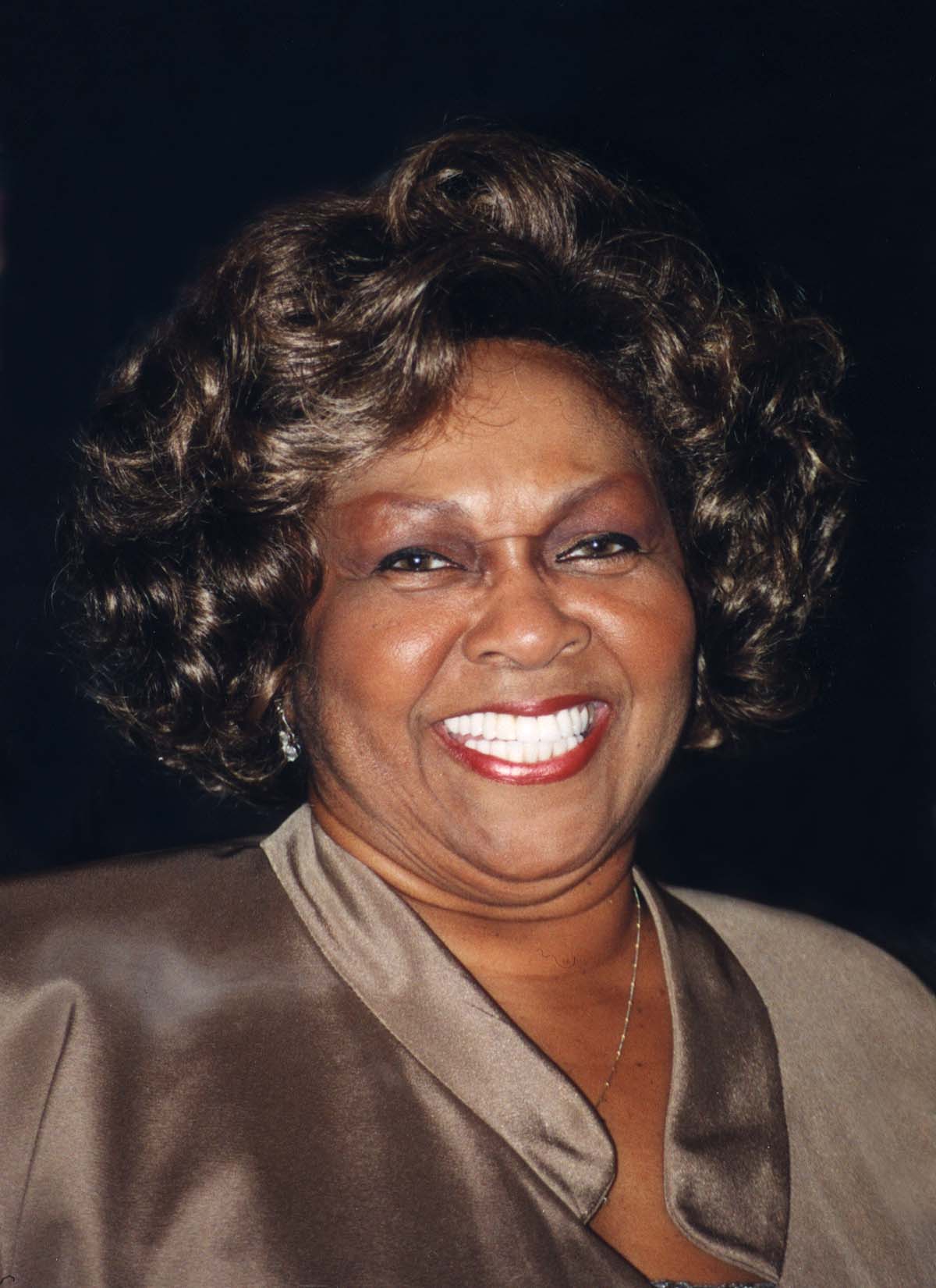
On a Sunday morning in Newark, New Jersey, a five-year-old girl named Emily Drinkard opened her mouth in church, and out came a voice that would one day anchor some of the biggest records in American pop. The world would come to know her as Cissy Houston, the soul and gospel singer whose tone could lift a chorus or break a heart. But long before she was Whitney Houston's mother, she was the youngest of eight children in a family where singing was as natural as breathing. Her father Nicholas and mother Delia raised their kids in the Drinkard Four, a family gospel group that started in the living room and ended up on the grandest stages. Cissy Houston died on October 7, 2024.
From Carnegie Hall to the Sweet Inspirations
The Drinkard Singers turned professional in the early 1950s, and soon they were opening the first gospel show ever held at Carnegie Hall, warming up the room for Clara Ward and Mahalia Jackson. That was the moment Cissy learned what a voice could do when it had a congregation behind it. But she wanted more than church halls. By the early 1960s she had formed her own quartet, the Sweet Inspirations, with Sylvia Shemwell, Estelle Brown and Myrna Smith. The group became the secret weapon of soul music, singing backup for Otis Redding, The Drifters, Dusty Springfield, Jimi Hendrix and Van Morrison. Their harmonies are all over Morrison's 'Brown Eyed Girl', a record that still sounds like summer.
The biggest turn came when Elvis Presley called. The Sweet Inspirations joined him in Las Vegas, and Cissy spent years on the road with the King. He gave her a bracelet engraved with her nickname, Squirrelly, a small token of how much he relied on her voice behind his. But standing in the shadows of giants has a cost. Cissy had a voice that could have carried its own show, yet she was known mostly as a background singer. Then she recorded the original version of 'Midnight Train to Georgia', a song that would later become a signature for Gladys Knight. Cissy's version is rawer, more desperate, and it hinted at what she could do alone.
A solo turn at the Soul Train Awards
By the late 1980s, Cissy was still proving herself. At the first Soul Train Music Awards, a 53-year-old Cissy Houston stood before a room full of younger stars and sang the gospel standard 'Mary Don't You Weep'. No backup singers, no band hiding her. Just that mezzo-soprano, full of years and grief and joy. It was a declaration: she was not just a support act. She was a minister of music at New Hope Baptist Church for more than 50 years, and that pulpit had shaped her as much as any studio. The church was where she learned to make a song feel like a prayer.
Her solo gospel album 'Face to Face' arrived in the mid-1990s, and it finally brought her the recognition she had earned for decades. The record won the Grammy for Best Traditional Soul Gospel Album, her first trophy after a lifetime in the industry. A year later she released 'He Leadeth Me', which earned her a second Grammy. She and her daughter Whitney became one of only two mother-daughter pairs to each win a Grammy, the other being Judy Garland and Liza Minnelli. For Cissy, the awards were not the point. They were proof that her own name, not just her daughter's, belonged in the history books.
The final years were quieter. Cissy Houston lived in Newark, the same city where she was born, and she struggled with Alzheimer's disease. She died at home on October 7, 2024, at the age of 91. She had outlived her daughter Whitney by 12 years and her granddaughter Bobbi Kristina by 9. But she never stopped being the woman who sang backup for Elvis and lead for God. Her voice, that mezzo-soprano that could sound like a trumpet or a whisper, is all over the records we still play. And somewhere in a church in Newark, the echo of Emily Drinkard's first Sunday morning song is still hanging in the air.