
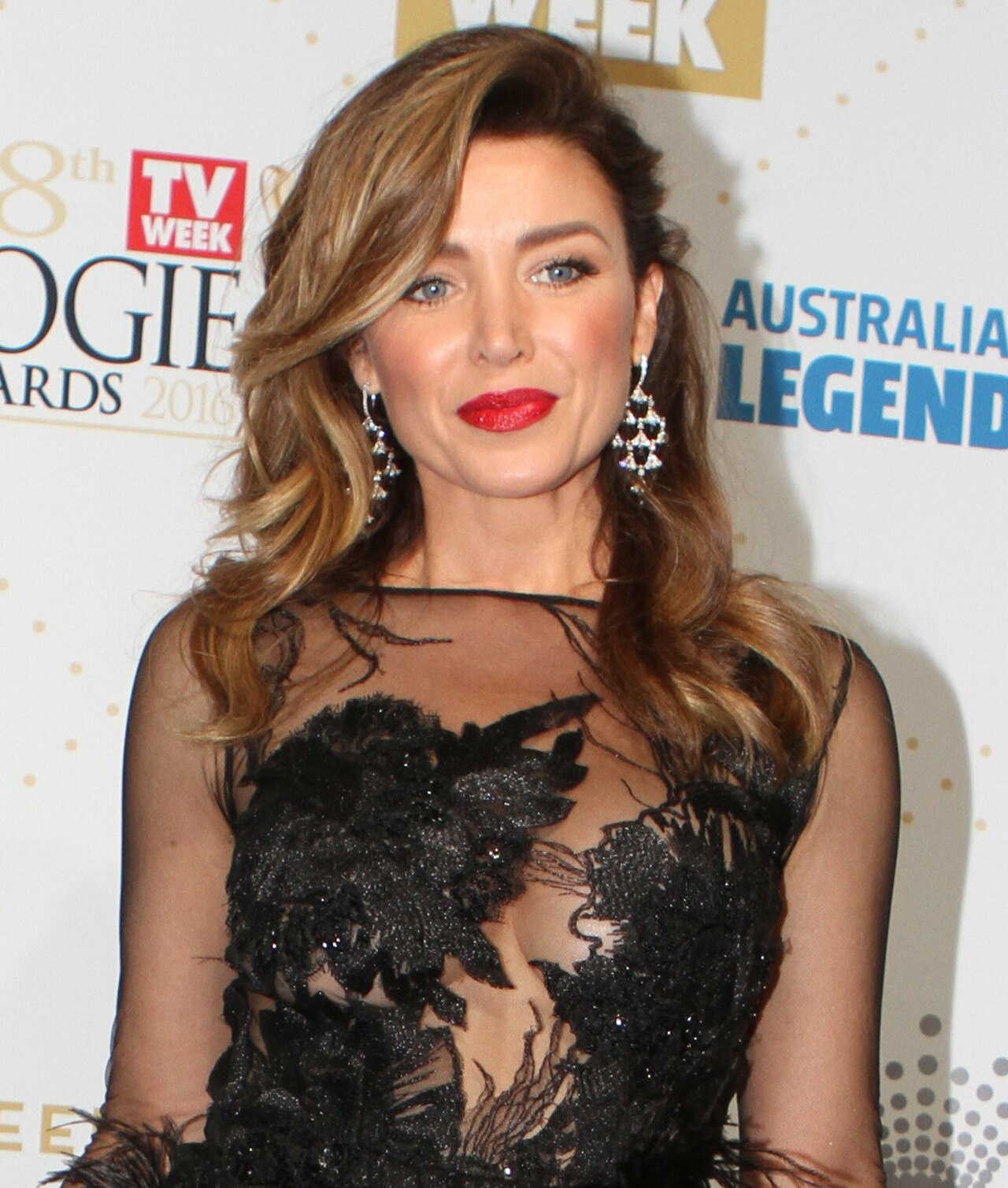
The problem with being Dannii Minogue was never a lack of talent. It was that the world already had a Minogue, and her name was Kylie. Dannii is her younger sister, and from the age of seven she was on Australian television, a child performer who could sing, act and smile on cue. By 1982 she had joined Young Talent Time, the talent show that made her a familiar face across the country. She even recorded a cover of Madonna's Material Girl for the programme. But being the other Minogue meant every step was measured against a sister who had already conquered pop. Her early acting included roles in the Australian series Skyways and The Sullivans. Later she played Emma Jackson in Home and Away, a part that earned her a Silver Logie nomination for most popular actress. Dannii Minogue was born on October 20, 1971.
A fashion line that sold out
The turning point came not from a hit single but from a rack of clothes. In September 1988 she launched her own fashion line called Dannii. The entire collection sold out across Australia in ten days. That commercial success was a signal: Dannii Minogue could be a brand in her own right, not a footnote in Kylie's story. It gave her the confidence to sign with Mushroom Records in January 1989, and a year later her debut album Dannii landed at number 24 in Australia.
The music business had other plans. Her second album Get into You, released in October 1993, failed to reach the British top 50. A lesser artist might have retreated into television presenting or fashion. Instead, Dannii leaned into the one place where her voice made sense without comparison: the dance floor. Remixes by Steve Silk Hurley helped her find a new image and a new sound, one built for clubs rather than pop radio.
Girl and the British dance chart
That reinvention paid off with her third album Girl, released in September 1997. Inspired by dance music, it produced All I Wanna Do, which reached number four in the UK and went gold in Australia. All three of the album's singles topped the British dance chart. For the first time, Dannii Minogue had a musical identity that was hers alone. She was no longer Kylie's sister trying to be a pop star; she was the Minogue who made you move.
For the first time, Dannii Minogue had a musical identity that was hers alone.
The dance-floor strategy reached its peak with Neon Nights, her fourth album, which arrived in March 2003. It became the most successful record of her career, hitting number eight on the British album chart. The single I Begin to Wonder climbed to number two in the UK, her highest position ever, and Put the Needle on It cracked the top ten at number seven. Neon Nights sounded like a woman who had stopped chasing approval and started making exactly the music she wanted. In 1998 she took the music on the road with the Unleashed Tour, playing 22 dates across the United Kingdom. The following year she released Everlasting Night, the official song of the Sydney Gay and Lesbian Mardi Gras.
Even when the charts cooled, the clubs stayed loyal. In December 2006 her cover of He's the Greatest Dancer topped the British club chart. The following year she took a seat at the judging table on The X Factor, the British talent show. Her contestant Leon Jackson won the fourth season, making Dannii the first female judge whose act took the title. The role gave her a new kind of authority: the sister who had once been the understudy was now the one deciding who had star quality.
By 2017 her total record sales had passed seven million copies worldwide. That is a modest number next to Kylie's, but it is the wrong comparison. Dannii Minogue built a career on reinvention: child actor, television star, fashion designer, pop singer, dance-floor favourite, talent-show mentor. She was born in 1971, and the music she made when she stopped trying to be someone else is the music that still gets played when the lights go down and the bass comes up.