
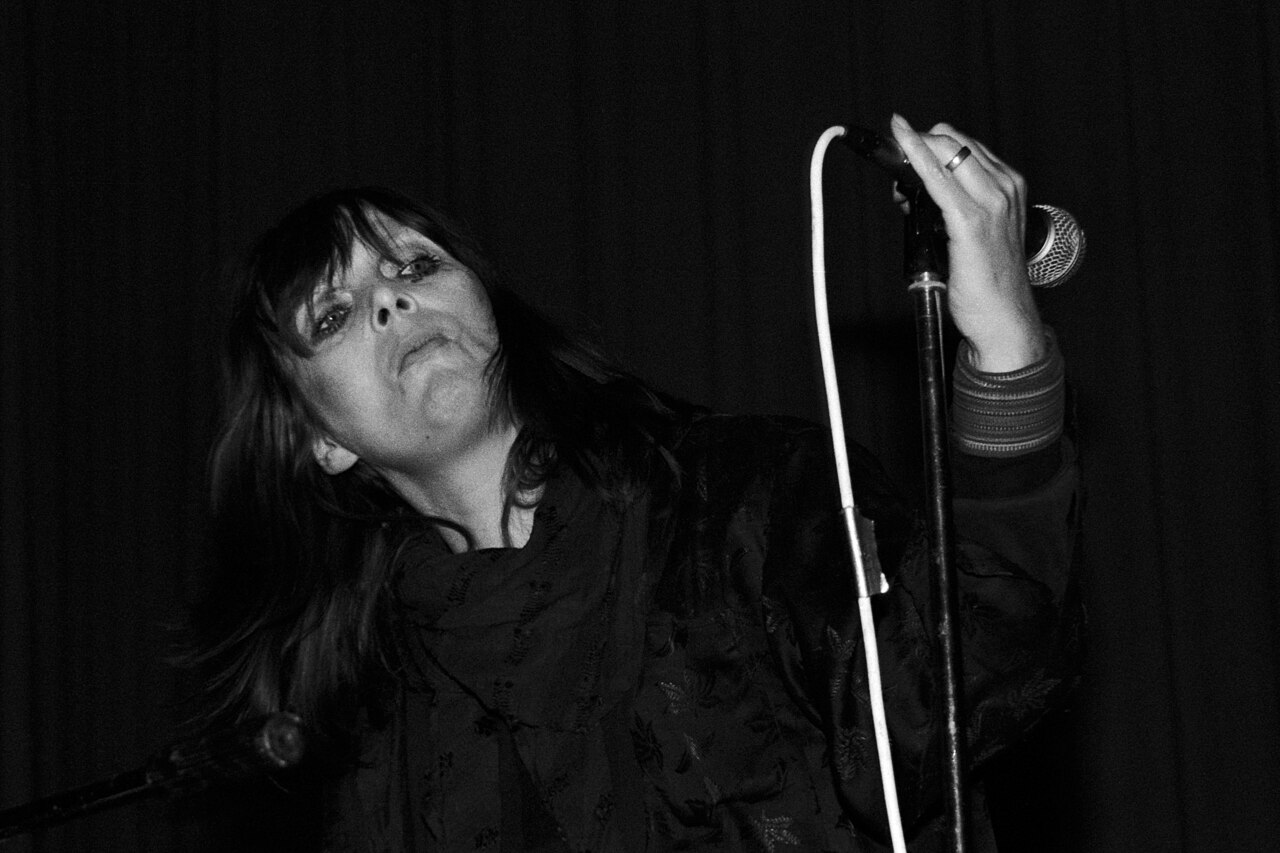
In the mid-1960s, a striking German model and actress walked into a New York studio with a rock band that did not want her. The woman was Christa Päffgen, known to everyone as Nico, and the band was The Velvet Underground. She had already been a Chanel model, a Fellini actress, and a solo singer with a Canadian hit, but this session would define how the world remembered her voice. Nico was born on October 16, 1938.
From Cologne to Fellini
Nico was born in Cologne in 1938, and by her late teens she had left school and been pushed by her mother into modelling in Berlin. The photographer Herbert Tobias gave her the name Nico, after the filmmaker Nico Papatakis. She worked for Vogue and Elle in Paris, signed a contract with Chanel at seventeen, then flew to New York and walked away from the job. She learned four languages and appeared in Federico Fellini's La Dolce Vita in 1959, so by the time she met Brian Jones of The Rolling Stones in 1965 she was already a familiar face in fashion and film.
Jones helped her record her first single, I'm Not Sayin', which reached number twelve on the Canadian chart. That small success brought her to the attention of Andy Warhol, who had an idea: put Nico into The Velvet Underground as a singer. The band, especially Lou Reed, agreed reluctantly. They did not need a frontwoman, and they certainly did not need a model with a European accent telling them how their songs should sound.
Three songs that defined her voice
What happened next is the strange heart of the story. On the band's debut album, The Velvet Underground and Nico, she sang lead on only three songs: Femme Fatale, All Tomorrow's Parties, and I'll Be Your Mirror. She also added backing vocals to Sunday Morning. That is a tiny share of a record, yet those three performances became the tracks people argued about most. Her cold, low voice made the songs feel less like rock and more like something from a film noir.
Her cold, low voice made the songs feel less like rock and more like something from a film noir.
Nico left the band in 1967, the same year she released her first solo album, Chelsea Girl. She hated the finished record. The label had added flutes and strings where she wanted simplicity, and years later she was still complaining about it. None of the songs were written by her, which made the album feel even less like her own. From then on she worked with John Cale, another Velvet Underground member, who produced her later records and put her harmonium at the centre of the sound.
That shift matters because it shows what Nico actually wanted: not pop arrangements, but stark, almost medieval music built around a droning keyboard. The Velvet Underground gave her a platform, but Chelsea Girl taught her what she would not accept. Her later work, slower and stranger, grew directly from that refusal. The model who had been hired as a decorative voice became a songwriter and composer who controlled her own recordings.
The end came in 1988, on the island of Ibiza. Nico was on holiday with her son when she had a heart attack while riding a bicycle and hit her head in the fall. A hospital misdiagnosed her, and she died the next day. She was buried in Berlin, next to her mother. The woman who had once been forced into a band she did not choose had spent two decades making music on her own terms, and the three songs she sang with The Velvet Underground still sound like the moment she stopped being a face and became a voice.