
Jason Everman is one of the few people who can say he was in Nirvana and Soundgarden, two bands that defined a generation of rock music, and then left it all behind to become a US Army Ranger and Green Beret. His name sits on the cover of Nirvana's first album, Bleach, even though he never played a note on it. That strange detail is the key to his whole story: a man who kept being invited into legendary rooms, and kept walking out of them into something harder. Jason Everman was born on October 16, 1967.
His name sits on the cover of Nirvana's first album, Bleach, even though he never played a note on it.
A childhood in Poulsbo
Everman was born on October 16, 1967, and grew up in a household that taught him early how to take care of himself. His parents' marriage fell apart, and his mother left with him when he was a toddler, eventually settling in Poulsbo, across Puget Sound from Seattle. His half-sister later described their mother as a brilliant artist struggling with deep depression, alcoholism, and pill addiction. The two children learned to move quietly and look after themselves. When a prank with a friend involving an M-80 firecracker and a toilet went wrong, his grandmother sent him to therapy sessions.
Those sessions changed his life, but not in the way anyone expected. The therapist kept guitars in the office, and Everman picked one up. The therapist decided to play along with him, hoping it would help him open up. It worked. By high school he was playing in several local bands, including Stonecrow with Chad Channing, who would later become Nirvana's drummer. That connection led to the moment that made Everman a footnote in rock history: in February 1989, he joined Nirvana as a second guitarist.
Nirvana was a struggling band from Aberdeen, Washington, about to record its debut album. Everman paid $606.17 to cover the recording costs for Bleach. Kurt Cobain said his name was listed on the album as a thank-you for that payment, even though Everman did not play on any of the songs. He appears on the cover, a silent partner in the band's first statement to the world. When the remastered edition came out in 2009, his name was removed from the credits, but he can still be seen on the cover, and the booklet gives him a special thanks.
Everman toured with Nirvana that summer in support of Bleach. At a Boston show, Cobain had broken his guitar the night before and only sang, leaving Everman to handle all the guitar work. The performance survives on an unofficial release called Trust No-One. But after the tour ended, Nirvana fired him. The reason given was his changeable moods. He was out of the band before it became the biggest rock group on the planet.
A temporary spot in Soundgarden
That same autumn, Everman joined Soundgarden as a temporary bassist, replacing Hiro Yamamoto. He played on a cover of The Beatles' 'Come Together' for the Loudest Love EP. But the fit was never right. Soundgarden's members did not consider him suitable for the group because of his personality, and he was let go in 1990 after interpersonal conflicts, especially with singer Chris Cornell. Two of the most important bands in Seattle had now decided he did not belong.
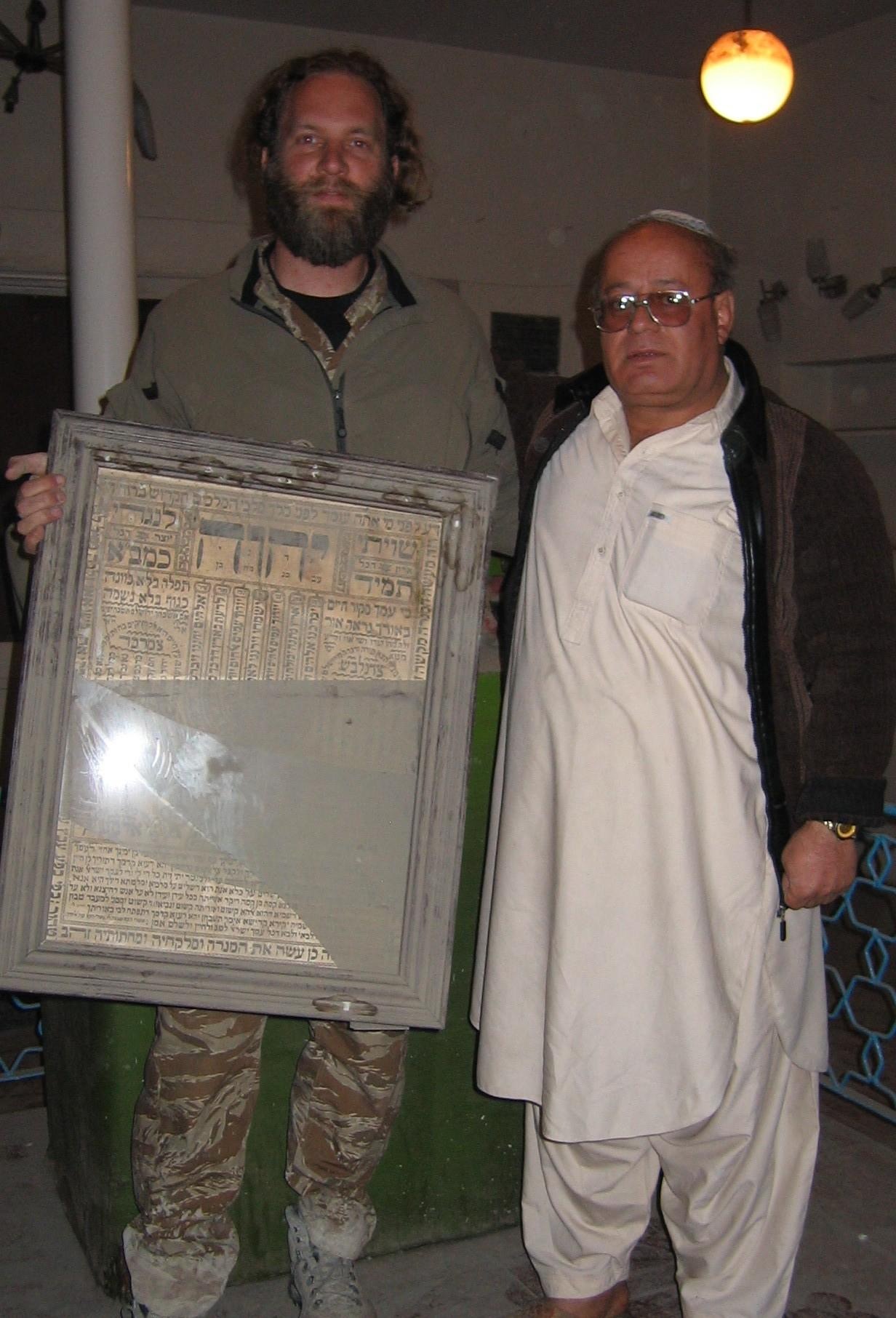
Everman spent a few more years in music, playing bass in OLD and guitar in Mind Funk. Then, in September 1994, he made a decision that shocked everyone who knew him from the Seattle scene. Influenced by the autobiography of Benvenuto Cellini, a Renaissance sculptor and soldier, he quit Mind Funk and enlisted in the US Army. He served in the 2nd Ranger Battalion, Delta Company, and later in Special Forces. He became a Ranger and a Green Beret, serving in Iraq and Afghanistan.
After an honorable discharge in 2006, Everman earned a bachelor's degree in philosophy from Columbia University's School of General Studies in 2013. General Stanley A. McChrystal wrote a recommendation letter for his application. He later earned a master's degree in military history from Norwich University. In May 2017, he met a fellow veteran named Brad Thomas in New York, and they decided to form a band called Silence & Light. By July the group had a full lineup of military veterans, with Everman on guitar.
Silence & Light released a full album in December 2019, and the band's profits go to help members of the special operations community, military personnel, and first responders. Everman, who turns 59 in 2026, has come full circle: from a troubled kid who found a guitar in a therapist's office, to a man who paid for Nirvana's first record, to a soldier who served his country in two wars, and finally to a veteran making music for the people he served alongside.