
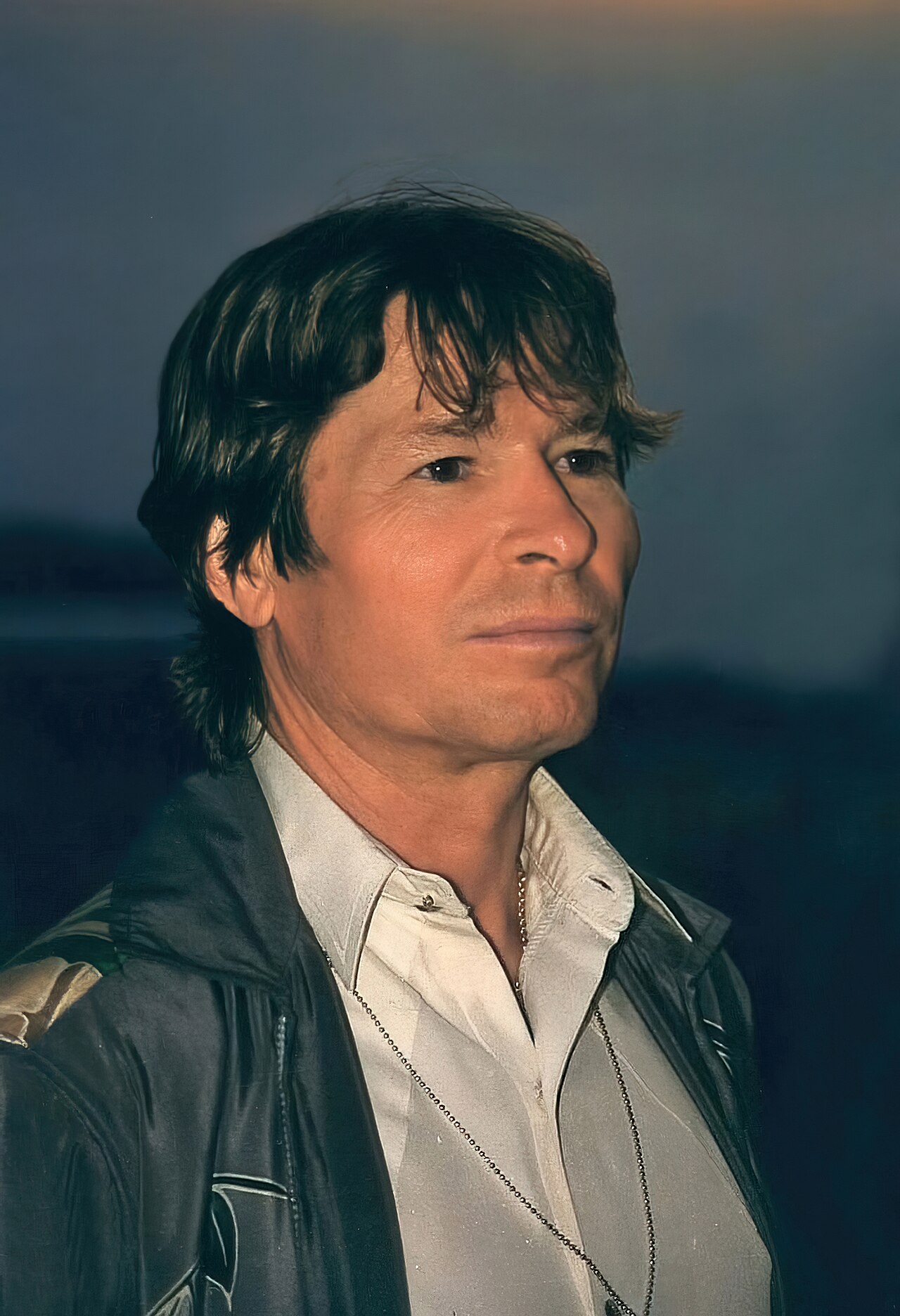
On 12 October 1997, the singer John Denver was alone in the cockpit of a Rutan Long-EZ, a small experimental aircraft he had built himself. The plane went down near Monterey Bay, and the official investigation later pointed to a brutally simple cause: the fuel ran out. Denver, the man whose voice had promised mountain sunshine and country roads, died at the controls, a private pilot who had spent decades chasing the sky. It is now 29 years since that crash, and the image of the gentle folk-pop star still collides with the harder facts of his life.
Denver, the man whose voice had promised mountain sunshine and country roads, died at the controls, a private pilot who had spent decades chasing the sky.
From Roswell to a stage name
John Denver was not his real name. He was born Henry John Deutschendorf Jr. in Roswell, New Mexico, on the last day of 1943. His father was a United States Air Force officer and pilot, and the family moved constantly for his postings. Denver later said the rootlessness made it hard to keep friends. When he was 11, his grandmother gave him an acoustic guitar, and that gift became his anchor. He learned to play well enough to perform in clubs while still in college, but the stage name came later, when he dropped the family surname and took the name of a Western city instead.
The road to fame ran through Los Angeles. In 1963 he left university and moved there to sing in folk clubs, and within a few years he was writing songs that other people made famous. He recorded a demo of a tune called Babe, I Hate to Go, which was renamed Leaving on a Jet Plane. The folk trio Peter, Paul and Mary took that song to the top of the American singles chart. Denver's own breakthrough came with Poems, Prayers & Promises, the album that carried Take Me Home, Country Roads to number two on the Billboard chart.
Chart dominance in the 1970s
By the middle of the 1970s, Denver was everywhere. He had four number-one singles in two years: Sunshine on My Shoulders, Annie's Song, Thank God I'm a Country Boy and I'm Sorry. His albums went gold and platinum again and again, and in total his records sold more than 33 million copies in the United States. He wrote roughly 200 of the 300 songs he released. The state of Colorado made him its poet laureate, and his Christmas special drew an audience of over 60 million people. The clean-cut singer with the round glasses had become one of the most popular entertainers in the country.
But the wholesome image had cracks. At the Country Music Association awards where he was named Entertainer of the Year, the singer Charlie Rich burned the envelope announcing the winner, a public snub that hinted at resentment from the Nashville establishment. Denver kept pushing outward anyway. In 1985 he played 11 concerts in the Soviet Union, the first American artist to do so in more than a decade. He also became a finalist to be the first private citizen to fly on a space shuttle, and after the Challenger disaster he dedicated a song to the astronauts.
The last years were harder. His 1994 autobiography, Take Me Home, was startlingly frank about drug use, infidelity and domestic violence, details that sat uneasily beside the songs about sunshine and home. He kept performing, and his final concert took place on 5 October 1997 in Corpus Christi, Texas. A week later he climbed into the Long-EZ for a flight that should have been routine. The investigation found he had not refuelled properly before takeoff, and the engine stopped in the air.
Denver's ashes were scattered over the Rocky Mountains, the landscape that had given him his biggest song and his adopted identity. A memorial plaque was placed near the crash site in 2007. The man who sang about leaving on a jet plane died because his own plane ran dry, a detail that turns a pop tragedy into something more unsettling. He had spent his whole life around flight, from his father's Air Force career to his own pilot's licence, and in the end the sky he celebrated did not let him land.