
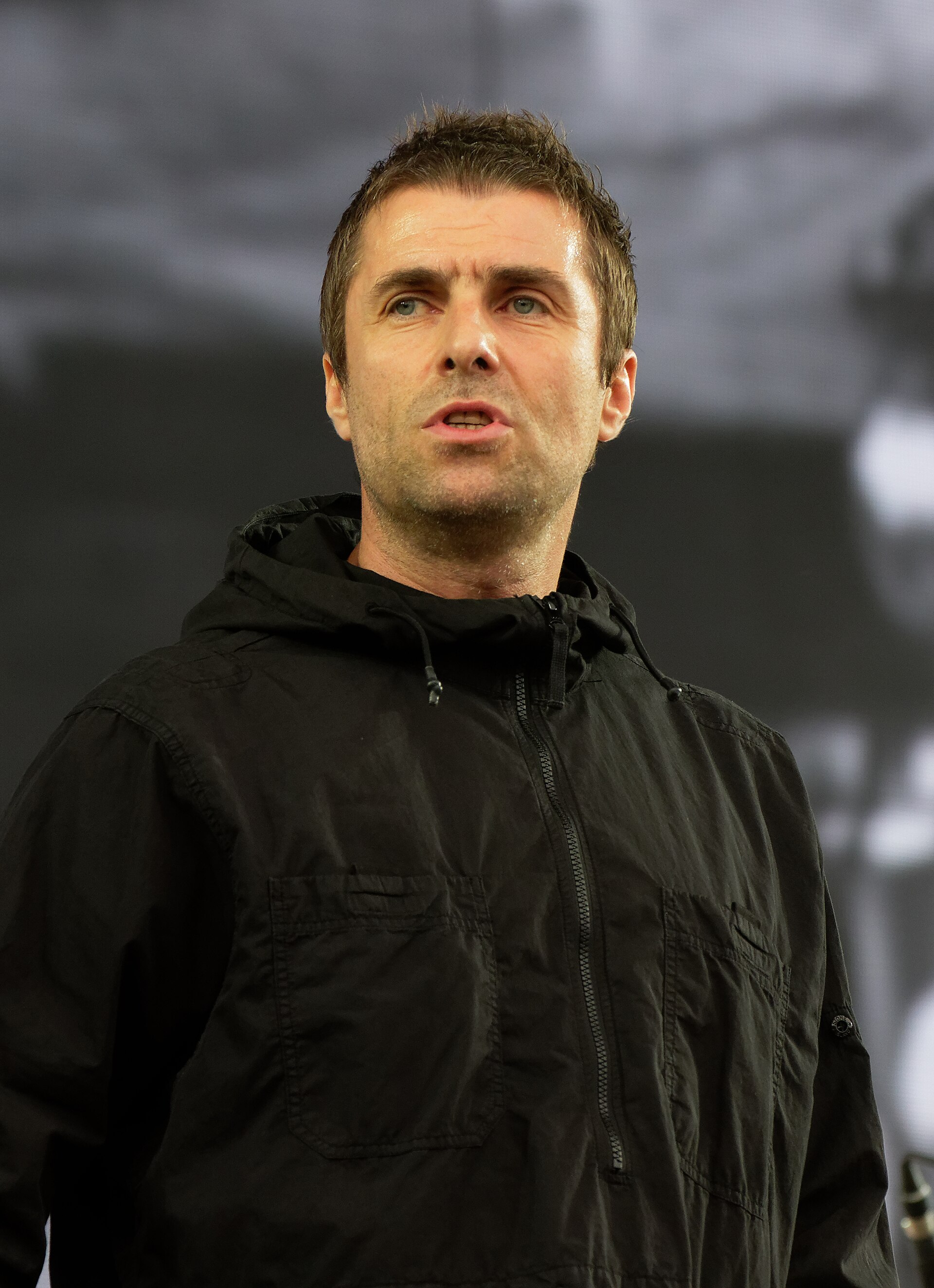
A bowl of porridge earned Liam Gallagher his first nickname. In Burnage, Manchester, the youngest of Tommy and Peggy Gallagher's three sons was known around the house as 'Wee Weetabix' for the way he demolished the stuff. Born on 21 September 1972, William John Paul Gallagher was also called 'our little one' and, because he trailed his mother everywhere, 'Peggy's Shadow'. The domestic scene behind those affectionate labels was far less sweet: Tommy Gallagher drank heavily and regularly beat his family.
From The Rain to Oasis
Liam Gallagher grew up in the shadow of violence and two older brothers, Paul and Noel. He was the baby of an Irish family in south Manchester, and by the time he reached his teens he wanted out. His first musical ambition was to join a local band called The Rain. That group, by mutual agreement, became something else entirely. The name they chose was Oasis, and Liam Gallagher was its co-founder and lead vocalist from the start.
The original plan had Noel Gallagher managing the band, not playing in it. Liam's older brother was invited in as lead guitarist and songwriter, and the dynamic that would define British rock for a decade snapped into place. Noel wrote the songs; Liam sang them with a sneer and a stance that the press dissected endlessly. His vocal style and posture became talking points before the first record even landed.
Definitely Maybe and Britpop's explosion
That first record was Definitely Maybe, released in 1994. It arrived as Britpop was exploding, and it hit both critics and the charts hard. Oasis had a frontman who looked like he'd just walked off a building site and sang like he'd been waiting his whole life for the microphone. Thirty-two years on, the album still sounds like a threat. Liam Gallagher was suddenly one of the most visible faces of 1990s British rock.
The follow-up, (What's the Story) Morning Glory?, came in 1995 and topped charts across multiple countries. By then Oasis were no longer a Manchester band; they were a national argument. Liam Gallagher's eccentric behaviour kept the tabloids fed, and his voice carried songs that Noel had written into stadiums. The brothers fought, the records sold, and the whole thing accelerated beyond anyone's control.
Be Here Now and the peak of frenzy
Be Here Now arrived in 1997 and became the fastest-selling album in British chart history. That record marked the peak of the frenzy, but Britpop's momentum was already fading. Oasis could not revive it, though every subsequent studio album still reached number one in the UK. Liam Gallagher remained the band's frontman through all of it, his voice the constant in a project built on fraternal friction.
When Oasis finally collapsed, Liam Gallagher did not disappear. He fronted Beady Eye, formed from the remains of Oasis, from 2009 to 2014. Then, after that band dissolved, he launched a solo career in 2017. Along the way he became a songwriter in his own right, contributing material in the later Oasis years and throughout Beady Eye, stepping out from behind his brother's catalogue.
Fifty-four years after his birth, Liam Gallagher is still one of the most recognisable musicians in contemporary British music. The kid from Burnage who ate porridge and followed his mother around the house now fills arenas under his own name. His voice, that nasal drawl stretched over rock songs, remains instantly identifiable. The press still writes about him; he still gives them reasons.
The story loops back to Manchester, to a house where a boy was called Wee Weetabix and Peggy's Shadow. Those names belonged to a child who had no idea what was coming. The voice that emerged from that house would define an era, outlast the band that made it famous, and keep ringing long after the arguments went quiet.