
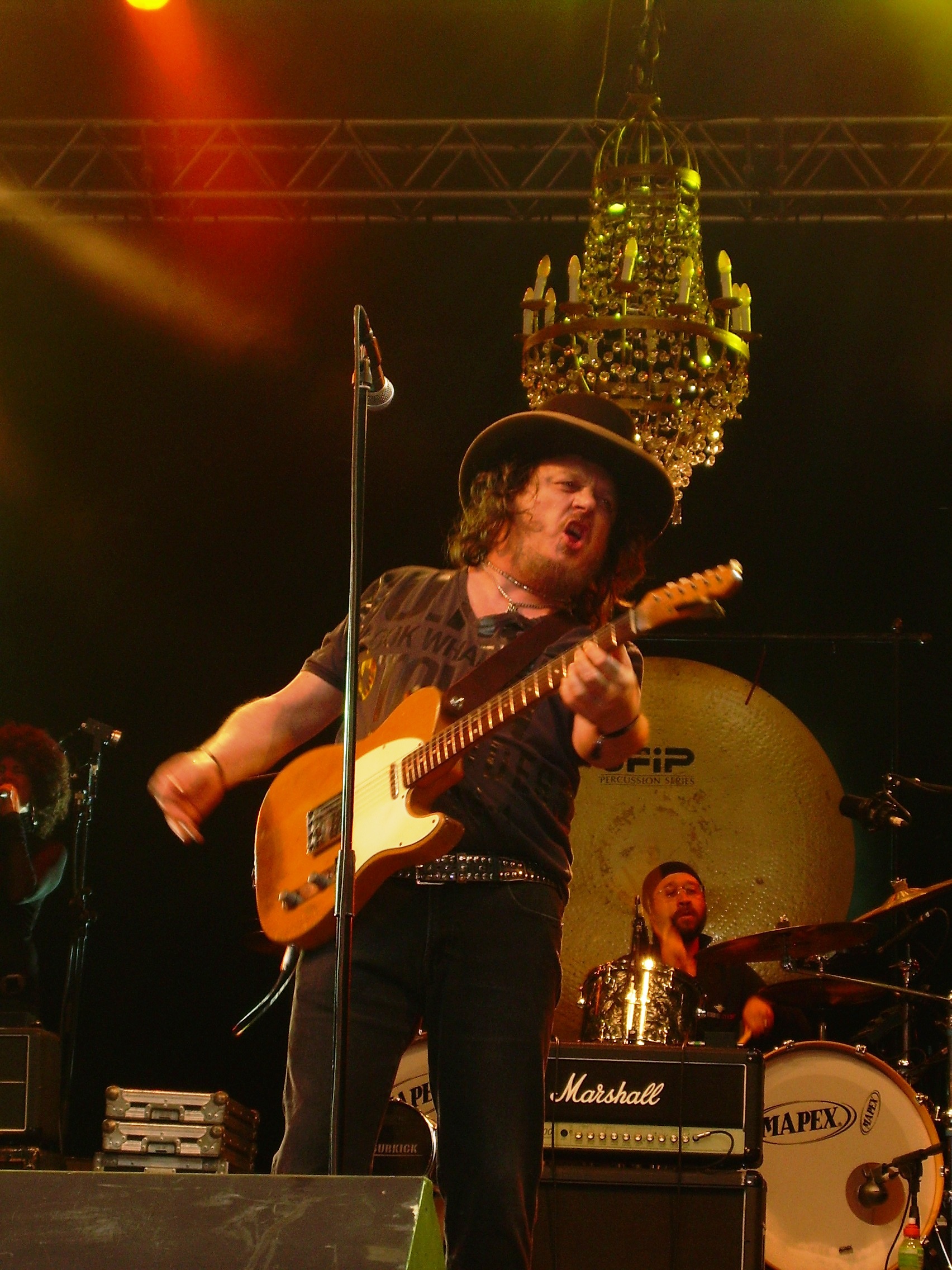
A schoolteacher handed Adelmo Fornaciari a nickname that would outlive classrooms, chalk dust, and every expectation pinned on a boy from Reggio nell'Emilia. Born on September 25, 1955, the kid who answered to 'Zucchero' — sugar — grew into the man who dragged blues onto Italy's biggest stages. By the time he turned 71 in 2026, Zucchero Fornaciari had sold more than 60 million records worldwide, yet the story starts not with amplifiers but with a church organ in a Tuscan coastal town.
From church organ to four musical corners
The family moved to Tuscany when he was a child, settling in Forte dei Marmi, a seaside spot where salt air and tourism shaped the rhythm of daily life. His first musical education happened inside the local church, where he learned to play the organ. That early exposure to sacred music would later collide with gospel, soul, blues, and rock — the four corners of a sound that made Zucchero Fornaciari one of the few European blues artists with genuine international reach.
The 1970s were a grind of small bands and smaller venues. He played in I ducali, Le nuove luci, Sugar & Daniel, and Sugar & Candies — names that sound like pages torn from a provincial rock diary. The turning point arrived with Taxi, a group that won the Castrocaro music festival in 1981. A year later, Zucchero walked onto the Sanremo stage for the first time and performed 'Una notte che vola via', a moment that introduced his voice to a national audience still unsure what to do with it.
California and the 1984 pivot
Sanremo 1983 brought another appearance, this time at the Festival dei Fiori with the song 'Nuvola'. That same year, his debut album 'Un po' di Zucchero' landed with modest success — enough to keep moving but not enough to define a career. The real pivot happened in 1984 when Zucchero temporarily relocated to California and began working with producer Corrado Rustici. The move exposed him to American session players and a rawer approach to recording.
By 1985, the album 'Zucchero & The Randy Jackson Band' captured that California period. Musicians from bassist Randy Jackson's circle played on the record, giving the songs a slicker, more muscular R&B backbone. Zucchero was no longer imitating American blues; he was absorbing it and filtering it through Italian phrasing, Catholic imagery, and the emotional directness of Mediterranean pop. The result sounded unlike anything coming out of Milan or Rome at the time.
Ballads, R&B, and international hits
His catalog split into two modes that somehow held together: sweeping Italian ballads and rhythm-heavy R&B compositions. The song 'Diamante' became one of his most enduring pieces, while 'Il Volo/My Love' turned into an international hit. 'Baila (Sexy Thing)/Baila morena' pushed further abroad, proving that an Italian voice could ride a Latin-tinged groove without losing its identity. The duet 'Senza una donna' with Paul Young gave him a radio presence far beyond the Apennines.
The industry noticed. Zucchero collected four Festivalbar awards, nine Wind Music Awards, and two World Music Awards in 1993 and 1996. Six IFPI Europe Platinum Awards joined the shelf, and a Grammy nomination put him in conversations that rarely included Italian rock singers. Eric Clapton collaborated with him — a signal that the man called 'the father of Italian blues' had earned that title through records, not press releases.
What makes the title stick is the gap Zucchero filled. Italy had blues enthusiasts before him, but nobody had brought the form to large stages with pop-scale production and international marketing behind it. His voice carried the grain of gospel and the ache of soul, yet the lyrics stayed rooted in Italian emotional landscapes. That combination made him a bridge between two traditions that had spent decades eyeing each other from opposite sides of the Atlantic.
Seventy-one years after his birth, the numbers tell one story: 60 million records, awards stacked across decades, festival stages from Sanremo to arenas worldwide. But the sharper detail is the church organ in Forte dei Marmi, where a boy learned that sound could fill a room before he ever touched a microphone. The nickname stuck. The sugar never dissolved.