
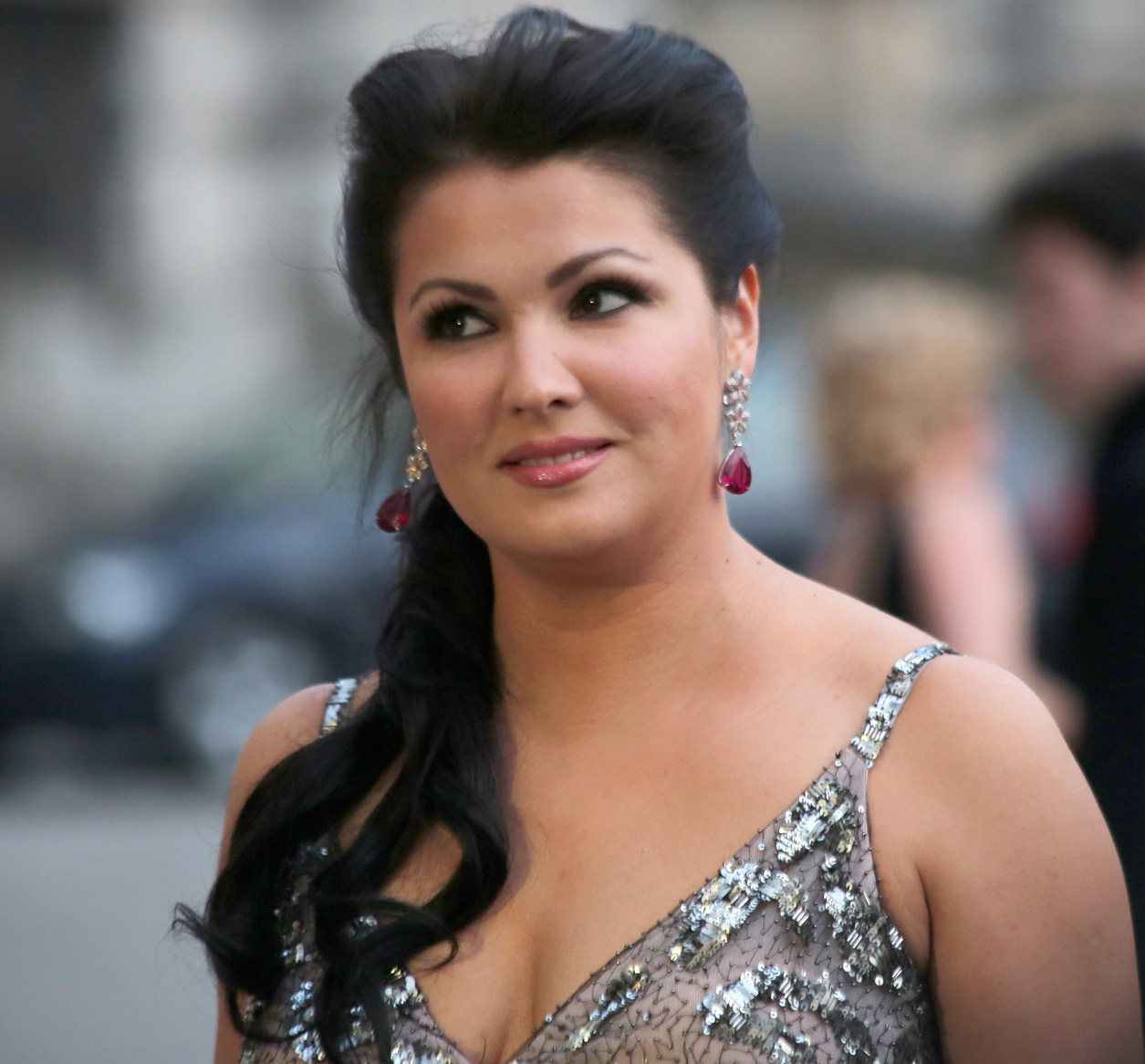
The Mariinsky Theatre's principal soprano used to scrub floors at the Saint Petersburg Conservatory. Anna Netrebko, born in Krasnodar on September 18, 1971, spent her student years balancing vocal training under Professor Tamara Novichenko with cleaning shifts to make ends meet. The distance from those corridors to the stage of the Metropolitan Opera and La Scala spans exactly fifty-five years this September. Her trajectory began far from European opera houses, in a city where her father Yuri Netrebko worked as a geologist and her mother Larisa Netrebko as an engineer. The family traced its roots to Kuban Cossacks, a lineage that gave the young singer her first sense of belonging to something larger than a Soviet provincial capital.
From Pioneer choir to Glinka prize
Before any conservatory audition, there was the Krasnodar Palace of Pioneers. Netrebko sang in the Kuban Pioneer choir, a collective that shaped her earliest instincts for ensemble and melody. The leap from that children's choir to the Glinka Competition victory in 1993 took years of disciplined study. That win changed everything: the Mariinsky Theatre invited her to join its company, and conductor Valery Gergiev became her most influential advocate. Gergiev's mentorship propelled her through the ranks, giving her roles that demanded both technical precision and theatrical nerve. The same year she claimed the Glinka prize, her professional path locked into place.
A year after the Glinka triumph, Netrebko took on the Queen of the Night in an independent production of Mozart's The Magic Flute staged in Riga. The role is notorious for its stratospheric coloratura passages, a test that exposes any weakness in breath control or pitch accuracy. Netrebko passed it at a time when few outside Saint Petersburg knew her name. That Riga performance in 1994 demonstrated she could handle the most demanding coloratura repertoire while still in her early twenties. The Mariinsky tours with Gergiev had already taken her to Finland, Germany, Israel, Latvia, and the United States, building an international profile before the opera world fully registered who she was.
The Salzburg breakthrough
The Salzburg Festival in 2002 supplied the definitive breakthrough. Cast as Donna Anna in Mozart's Don Giovanni, Netrebko delivered a performance that transformed her from a promising Russian soprano into a global phenomenon. The production's reach extended far beyond the festival audience, and within months she was in demand across every major stage. Her voice at that point specialized in lyric and coloratura soprano roles, a repertoire that showcased her agility and luminous upper register. The Salzburg moment marked the point where her name began appearing alongside the most established singers of her generation. It was the kind of ascent that normally takes a decade compressed into a single summer.
Deutsche Grammophon signed her to an exclusive contract in 2003, a relationship that continues to define her recorded legacy. The label captured her voice during its most celebrated period, producing albums that earned her multiple Echo Klassik awards. Time magazine placed her on its Time 100 list in 2007, recognition that extended beyond classical music circles into mainstream cultural consciousness. By then she had already performed at the Royal Opera House in London, the Vienna State Opera, the Bavarian State Opera, Zurich Opera, and the Metropolitan Opera. Each house presented different acoustic challenges, and Netrebko adapted her technique accordingly, refining a sound that carried effortlessly to the back of the largest auditoriums.
State honors and heavier roles
The Russian state recognized her contributions with the State Prize in 2004, followed by the title of People's Artist of Russia in 2008. These honors reflected her status as a cultural ambassador during a period when Russian opera singers were reasserting their presence internationally. Her repertoire began shifting toward heavier romantic roles of the nineteenth century, including Leonora in Verdi's Il Trovatore and Lady Macbeth in Macbeth. The transition required recalibrating her vocal placement, trading some of the brightness of her coloratura years for darker, more dramatic colors. Critics noted the evolution, and audiences followed her into this new territory with enthusiasm.
From 2016 onward, Netrebko concentrated on verismo repertoire, the emotionally charged Italian style associated with composers like Puccini and Mascagni. The Vienna State Opera acknowledged her long association with the house by naming her Kammersängerin in 2017, an honor reserved for singers of exceptional distinction. Her performances at La Scala added another layer to a career that already covered the most prestigious stages in Europe and North America. The shift to verismo demanded even greater vocal stamina, and Netrebko met the challenge while maintaining her schedule of recordings and staged productions. Her voice had evolved from the crystalline purity of her early Mozart roles to something weightier and more textured.
The relationship with Gergiev and the Mariinsky Theatre remained the foundation of her career even as her international commitments multiplied. Those early tours with the company to Finland, Germany, Israel, Latvia, and the United States had laid the groundwork for everything that followed. The Queen of the Night in Riga in 1994 now reads as an early signal of her willingness to take risks outside established institutions. Her time at the Saint Petersburg Conservatory, including the cleaning work that supported her studies, gave her a resilience that served her well in the competitive world of international opera. The contrast between her origins and her achievements has become part of her public narrative.
Fifty-five years after her birth in Krasnodar, Netrebko's voice remains a reference point for sopranos navigating the transition from lyric to dramatic repertoire. The Deutsche Grammophon catalog preserves her Salzburg breakthrough and the recordings that followed, documented with the technical precision the label has maintained across its history. Her Echo Klassik awards sit alongside her Time 100 recognition as markers of a career that crossed from the specialized world of opera into broader cultural visibility. The girl who sang in the Kuban Pioneer choir and cleaned conservatory floors now occupies a place in opera history that few sopranos of her era can match. The arc from Krasnodar to La Scala is the story of a voice that refused to stay provincial.
The arc from Krasnodar to La Scala is the story of a voice that refused to stay provincial.