
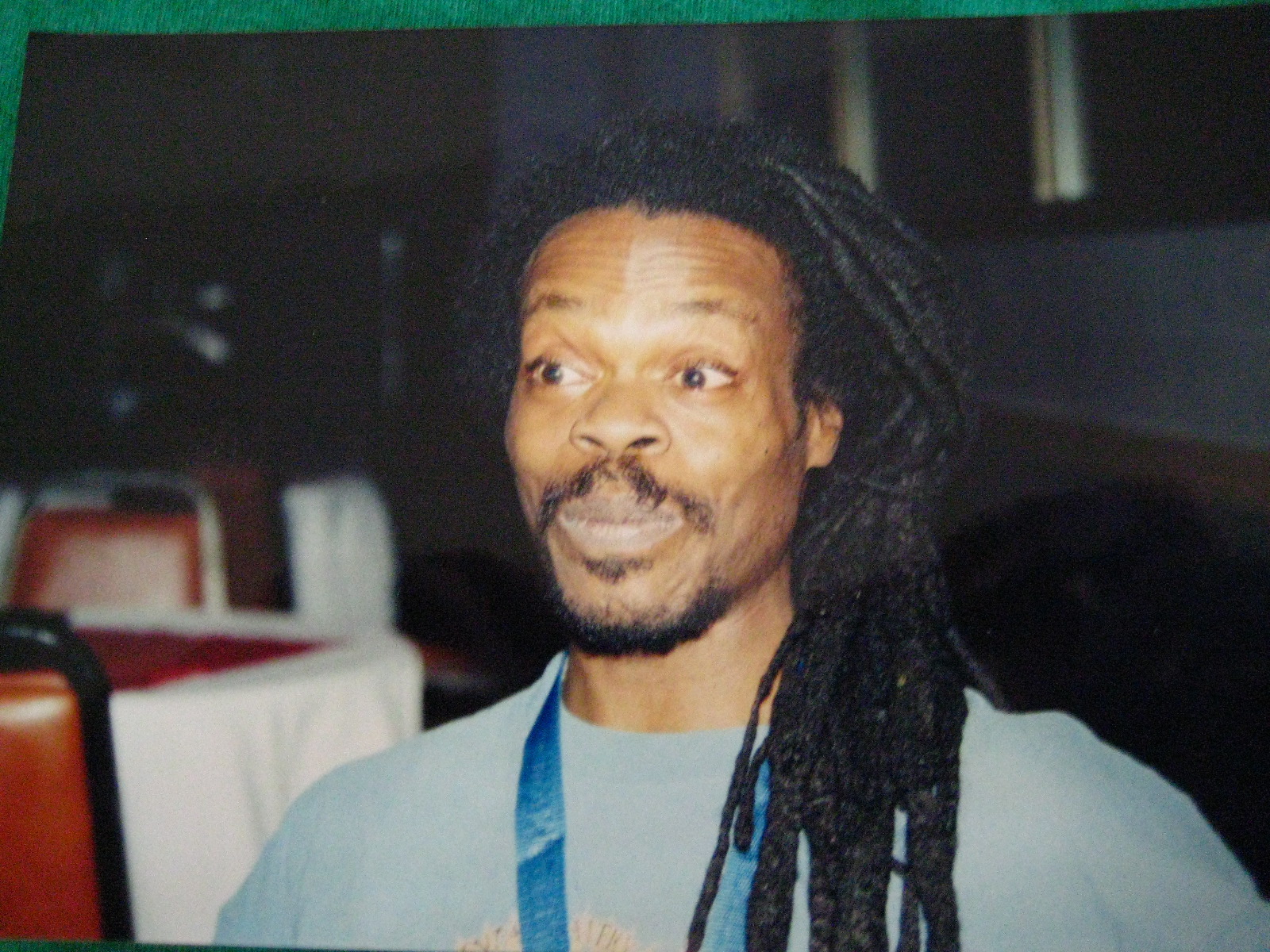
A London studio session in the late 1970s had a peculiar rhythm problem: the drummer kept stopping to adjust a microphone. Angus Gay, known to everyone as Drummie Zeb, was not just keeping time for Aswad — he was also singing lead vocals. Born on September 24, 1959, he became the vocalist and drummer for the British reggae group that formed in 1969, a decade before he was old enough to hold a stick properly.
A band refusing genre limits
Aswad emerged from the West London scene with a sound that refused to stay inside one genre. The band mixed reggae with soul and funk, a combination that made their live shows unpredictable. Drummie Zeb was a key figure in that chemistry, playing drums and singing in a group known for its live sound. The energy of those performances carried them from small venues to major festivals, including Glastonbury.
The group's early catalogue shows how quickly the sound evolved. Roots Rocking arrived in 1977, followed by an appearance in the film Babylon in 1980. The movie captured a side of British life that mainstream cinema ignored, and Aswad's presence on screen gave the band a different kind of visibility. Their music also appeared in other films and on television, while Drummie Zeb contributed to soundtrack recordings.
Studio growth and live energy
By 1981, Aswad recorded New Chapter, an album that pushed their studio work into new territory. The London studio sessions were where the band's live energy met careful production. Two years later, Live and Direct captured the stage show on tape. Critics recognized the albums, and the group received nominations for music awards. The recognition was building, but the biggest commercial moment was still ahead.
The song that changed everything was 'Don't Turn Around'. Released in 1988, it reached number one in the UK charts. That single came after the compilation Hits in 1986, which had already introduced the band to a wider audience. The success was not limited to Britain — Aswad achieved recognition beyond the UK, and the hit became one of the most famous reggae songs of the era.
Production and collaboration
Drummie Zeb's role extended beyond the drum kit. He worked as a producer, shaping recordings for the group and collaborating with other musicians. Aswad's willingness to work with different artists kept the sound fresh across decades. The band also performed 'Shine' in 1994, a track that showed how far the group had traveled from the roots of 'Roots Rocking'.
The band's influence on British reggae is hard to separate from the sheer length of their career. Aswad became one of the most successful reggae groups in the UK, and their blend of reggae with soul and funk opened doors for later artists. Drummie Zeb continued performing with the group until 2022, a run that spanned more than four decades of concerts and recordings.
There is a strange symmetry in the calendar. Drummie Zeb was born on September 24, 1959, and he died on September 24, 2022. The same date opens and closes the story. He was 67 years old, and the band he helped define had been active for 57 years. That coincidence of dates gives the birthday a weight that no anniversary could have planned.
The catalogue remains the clearest document of what Aswad did. From 'Roots Rocking' in 1977 to 'Don't Turn Around' in 1988, the records trace a path from underground London sound systems to the top of the charts. Drummie Zeb's voice and drumming are on every step of that journey. The last thing he recorded with the band is still in print, and the date on the sleeve is the same one he was born on.