
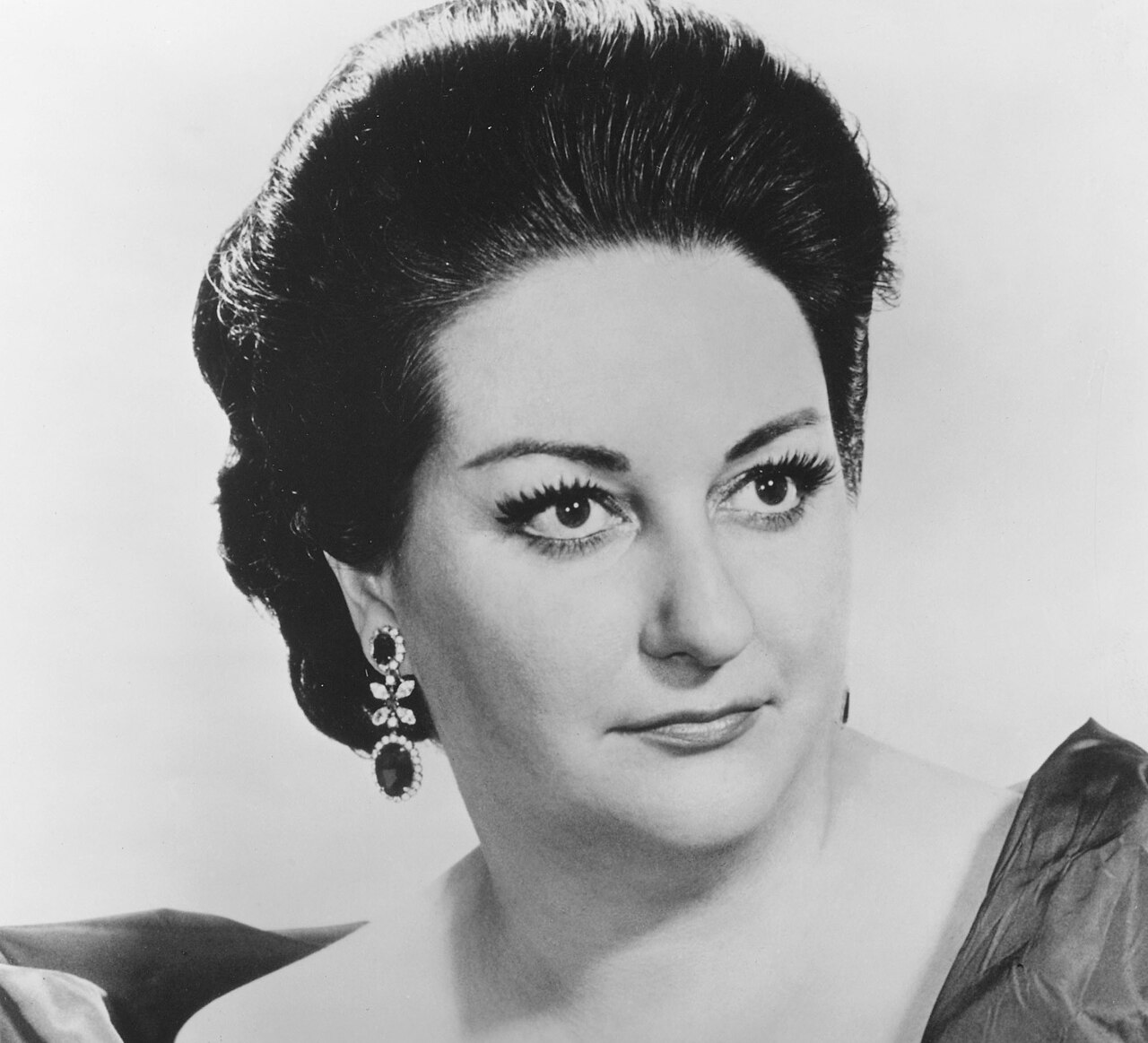
The ovation lasted twenty minutes. That is the detail people remember about the evening Montserrat Caballé, a Spanish soprano few outside Basel had heard of, walked onto the stage of Carnegie Hall in New York and changed her life. She was there to replace an American star who was pregnant and could not perform the title role in Donizetti's Lucrezia Borgia. Caballé had learned the part, she had sung smaller roles for years, but nothing had prepared her for what happened when she opened her mouth. She died on October 6, 2018.
From Barcelona to Basel
Caballé was born in Barcelona in 1933, into a family made poor by the Spanish Civil War. Money was scarce, but her voice was not. She studied at the conservatory attached to the Liceu, the city's opera house, and finished in 1954 with a gold medal. Two years later she joined the opera company in Basel, Switzerland, where she made her debut as Mimì in Puccini's La Bohème. For nearly a decade she worked steadily, building a reputation among people who knew opera, but remaining unknown to the wider world.
The Carnegie Hall night in 1965 changed that. When the pregnant American mezzo-soprano Marilyn Horne withdrew, Caballé stepped in. The audience that had come to hear a star instead discovered something rarer: a voice that was pure but powerful, with a control of shading that let her float the quietest notes until they seemed to hang in the air. Fans would later call her La Superba, the superb one. That first ovation went on and on, a full twenty minutes of applause for a singer most of the room had never heard of before that evening.
The bel canto repertoire
What made Caballé different was not just the size of the voice but its range of colour. She became especially known for the bel canto repertoire of Rossini, Bellini and Donizetti, music that demands agility as well as power, and for the operas of Verdi. Over her career she took on an astonishing number of roles: eighty-eight operatic parts and around eight hundred chamber pieces. That is not the career of a singer who plays it safe. It is the career of someone who kept finding new music she wanted to sing.
The fame from that New York night carried her to the great houses. She sang at the Metropolitan Opera, at La Scala in Milan, at Covent Garden in London. In Moscow, during a tour with La Scala, she performed the demanding role of Norma three times and also met relatives of her mother who had emigrated to the Soviet Union decades earlier. The woman who had grown up poor in Barcelona was now one of the most celebrated voices in the world, and she carried that status with a certain warmth rather than distance.
The duet with Freddie Mercury
Then, in 1987, she did something that startled both the opera world and the rock world. Freddie Mercury, the leader of the British band Queen, had long admired her voice and asked her to record a duet with him. The song was called Barcelona, named for her home city, and it became one of the two official songs of the 1992 Olympic Games. Mercury died before the Games opened, so the song was played as a recording at the ceremony. Years later, Caballé sang it live in front of a packed stadium, her voice rising over a recording of a man who was no longer there.
The collaboration with Mercury brought Caballé to an audience that had never set foot in an opera house. It also revealed something about her: she did not think of opera as a walled garden. She recorded with rock singers, with film composers, with musicians from other traditions. She won three Grammy Awards and was celebrated by critics and audiences alike. But the duet with Mercury remains the moment when a classical soprano became, briefly, a pop-culture figure without ever lowering her standards.
Caballé died in a Barcelona hospital in October 2018, at the age of eighty-five. Her family asked that the cause of death not be made public, and she was buried in the Sant Andreu cemetery in Barcelona, next to her parents. The girl from a poor family who had once sung in Basel for a modest salary ended her life as one of the defining voices of her century. The twenty-minute ovation in New York was the turning point, but the career that followed was the proof.