
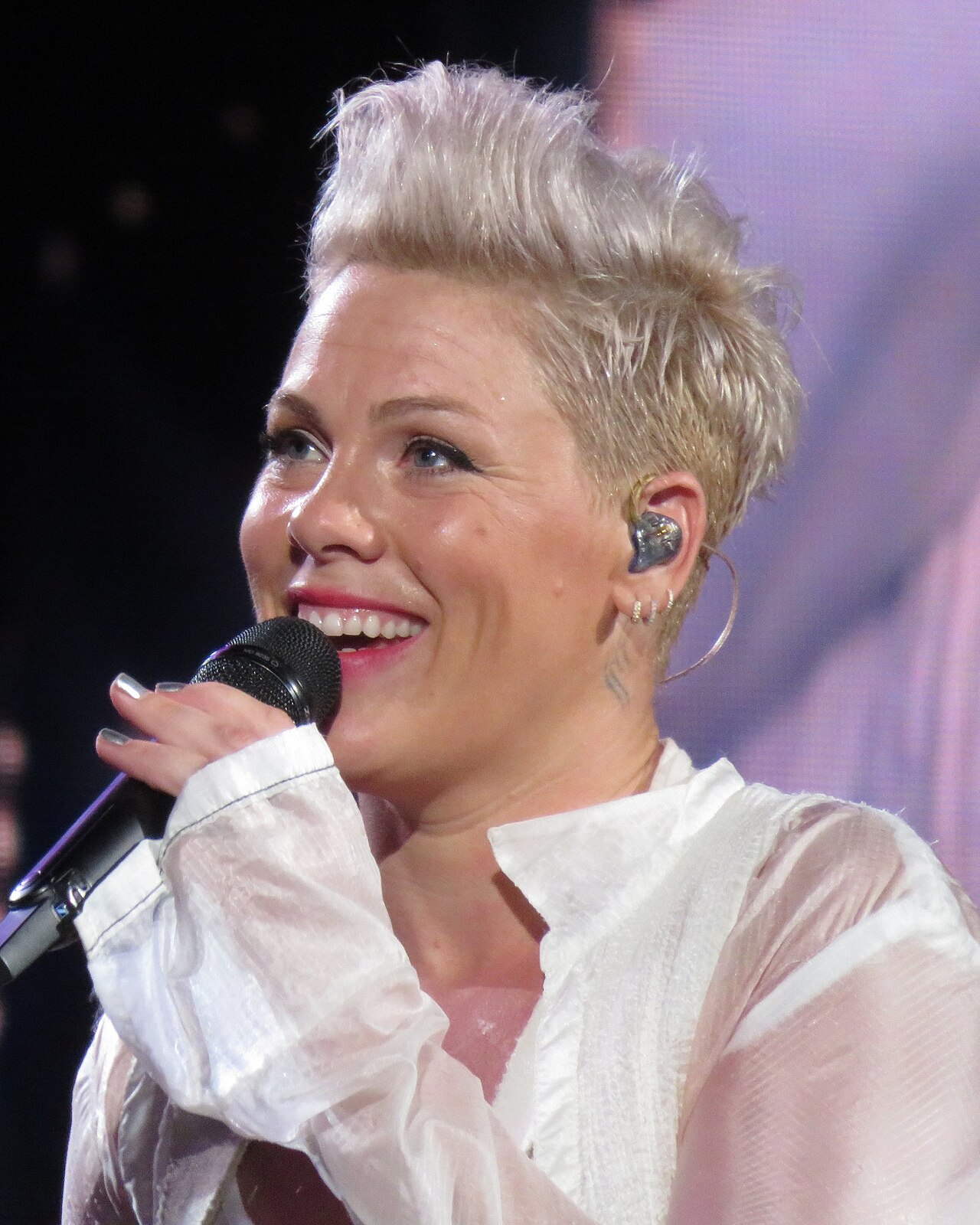
Fifty songs. That's how many Pink and her collaborators wrote before the American singer settled on the thirteen that make up Beautiful Trauma, her seventh studio album. Released on RCA Records on October 13, 2017, the record arrived after a stretch of work that began in 2015 and stretched into 2017. For Pink, the wait wasn't a sign of trouble but of pressure: she had never spent this long on an album before, and the material had to carry more weight than a simple collection of pop hooks.
Sound and personal turmoil
The album's sound sits squarely in pop, but it reaches into EDM and folk, a mix that gave Pink room to move between club-ready energy and quieter confession. The lyrics touch love, heartbreak, and the double life of a public figure, yet they also turn outward to social and global problems. That range came from a difficult period: a miscarriage, the 2016 US presidential election, and her father's cancer diagnosis all fed the writing. Pink didn't hide from any of it, and the record became a place where private grief and public anger could share the same tracklist.
One song shows how personal the sessions got. "You Get My Love" was recorded in 2016 while Pink was pregnant, and she later called it the best vocal performance of her life. The song isn't a single and never got a flashy video, but it sits at the heart of the album as proof of what the long recording process allowed. Pink could wait for the right take, the right feeling, and the right moment to sing a song that meant something to her beyond the charts.
"You Get My Love" was recorded in 2016 while Pink was pregnant, and she later called it the best vocal performance of her life.
Eminem and the Revenge session
The album also gave Pink a chance to chase an artist she admired. For "Revenge", she wrote the song with Max Martin and Shellback, then sent Eminem a letter telling him she loved his work and asking him to collaborate. Eminem answered from Rio de Janeiro and, four days later, sent back a recorded verse. Pink called him a lyrical genius and one of the best at what he does. The pairing of a pop star and a rapper known for sharp edges fit the album's mood: playful on the surface, with a bite underneath.
Before the full record arrived, Pink released "What About Us" as the lead single on August 10, 2017. The song became the album's loudest statement, a question aimed at leaders who had stopped listening. It topped the charts in eight countries and reached the top ten in twelve more. In the United States, the song climbed to number 13 on the Billboard Hot 100. For an artist often seen as a reliable hitmaker, this was a different kind of success: a protest song that doubled as a pop anthem.
Chart numbers and commercial payoff
When Beautiful Trauma finally landed, the numbers backed up the long wait. The album debuted at number one on the Billboard 200 with 408,000 equivalent units sold, the best first week of Pink's career. That figure mattered because it proved the three years of writing and rewriting had not dulled her commercial instincts. The album also went on to sell more than three million copies worldwide, a sign that Pink's audience had followed her into more complicated emotional territory.
Not every song on the record was born in the studio. "Wild Hearts Can't Be Broken" was first written for the 2015 film Suffragette, and its inspiration came from the early twentieth-century movement for women's voting rights. Pink kept the song for Beautiful Trauma, where it became a quiet anthem about refusing to be silenced. The track's presence on a pop album was a small act of defiance, a reminder that Pink has always treated the stage as a place for more than just entertainment.
Beautiful Trauma didn't arrive with a simple story. It was an album made slowly, shaped by loss and political frustration, and released at a moment when Pink had something to say. The fifty songs she wrote became thirteen, and those thirteen became her biggest opening week ever. The record stands as a document of a singer who took her time, trusted her instincts, and turned a difficult chapter into her most commercially powerful statement.