
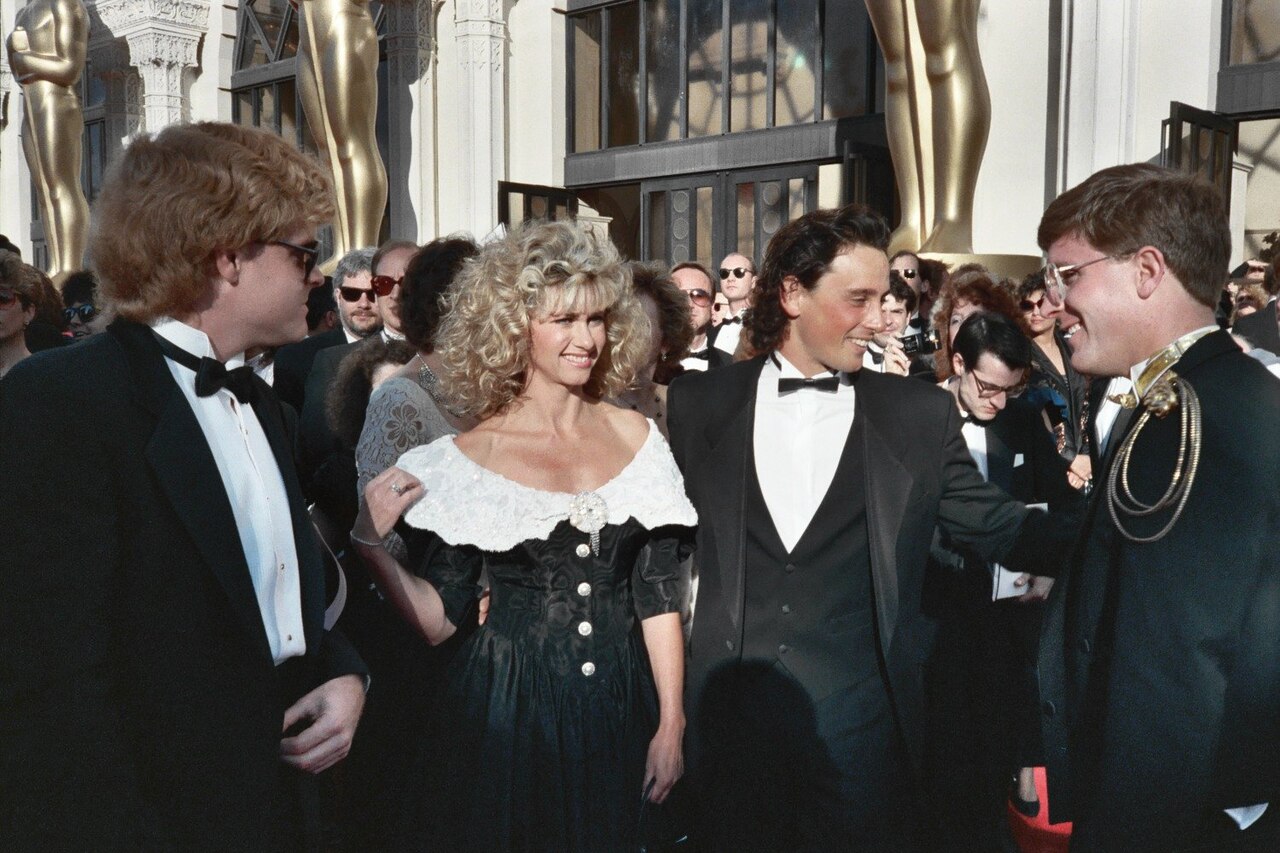
The song sat on a demo tape, waiting for a macho rock figure. Its writers, Terry Shaddick and Steve Kipner, had imagined someone like Rod Stewart snarling through the chorus. Instead, the tape reached the manager of Olivia Newton-John, the Australian singer known for gentle pop hits, and he sent it straight to her. She listened and hesitated: the song felt too bold, too suggestive for the image she had built. That hesitation nearly kept one of the defining pop records of the early 1980s from existing. Olivia Newton-John released Physical on October 13, 1981.
She listened and hesitated: the song felt too bold, too suggestive for the image she had built.
Recording the Physical album
The album Physical, Newton-John's twelfth studio release, came out on 13 October 1981 on MCA Records. Its producer was John Farrar, her longtime collaborator, and the sessions stretched from late 1980 into the summer of 1981. The record leaned heavily on synthesizers, a shift toward the crisp electronic sound that was reshaping pop at the time. But the title track was the gamble. Originally called "Let's Get Physical," the song had been written for a different kind of performer, and Newton-John's first instinct was to turn it down.
Her manager, Lee Kramer, had heard the demo by chance and immediately passed it along. Newton-John worried the song was too risqué for her audience. Yet the single arrived on 28 September 1981, two weeks before the album, and the reaction was immediate. "Physical" climbed to the top of the Billboard Hot 100 and stayed there for ten weeks, from 21 November 1981 to 23 January 1982. That run matched the record set by Debbie Boone's "You Light Up My Life" in 1977.
Chart success and Grammy nomination
The song became Newton-John's fifth and final number one on the Billboard Hot 100. It also earned a Grammy nomination for Best Female Pop Vocal Performance. The success reshaped what people expected from her: the sweet-voiced singer now had a hit built on playful innuendo and aerobic energy. The album itself sold more than four million copies worldwide, making it one of the most successful releases of the early 1980s and a high point of her solo career.
Physical also marked a turn in subject matter. It was the first Newton-John album to include themes of environmental protection and animal rights. The song "The Promise (The Dolphin Song)" was written by Newton-John herself and addressed the killing of dolphins for commercial gain. That concern sat alongside the flirtatious title track, giving the record a wider emotional range than a casual listener might expect from a pop smash.
Herb Ritts and the album cover
The album's cover became part of its legend. Photographer Herb Ritts shot Newton-John in Honolulu, Hawaii, in the first half of 1981, and the resulting image is among the most famous photographs of her career and one of Ritts's most popular works. The visual matched the record's new energy: athletic, direct, sunlit. It helped fix the Physical era in memory as a moment when Newton-John stepped into a sharper, more physical presentation of herself.
The promotional push around the album was enormous. A television version of the video album, titled Let's Get Physical, premiered on ABC on 8 February 1982 and drew 35 percent of the American television audience. The tour that followed played 64 concerts in 40 cities, with total attendance of 562,428 people. Newton-John closed shows by performing "Physical" while doing aerobics and jumping rope, a routine that turned the song's cheeky premise into a full-body spectacle.
By the time the Physical era ended, Newton-John had achieved something rare: a hit so large it redefined her without erasing her. The song she almost rejected became the center of a multimedia campaign, a best-selling album, and a Grammy-winning video project. The record remains a landmark of early 1980s pop, built on a simple twist of fate: a demo meant for a rock star landed with a singer brave enough to take the risk.