
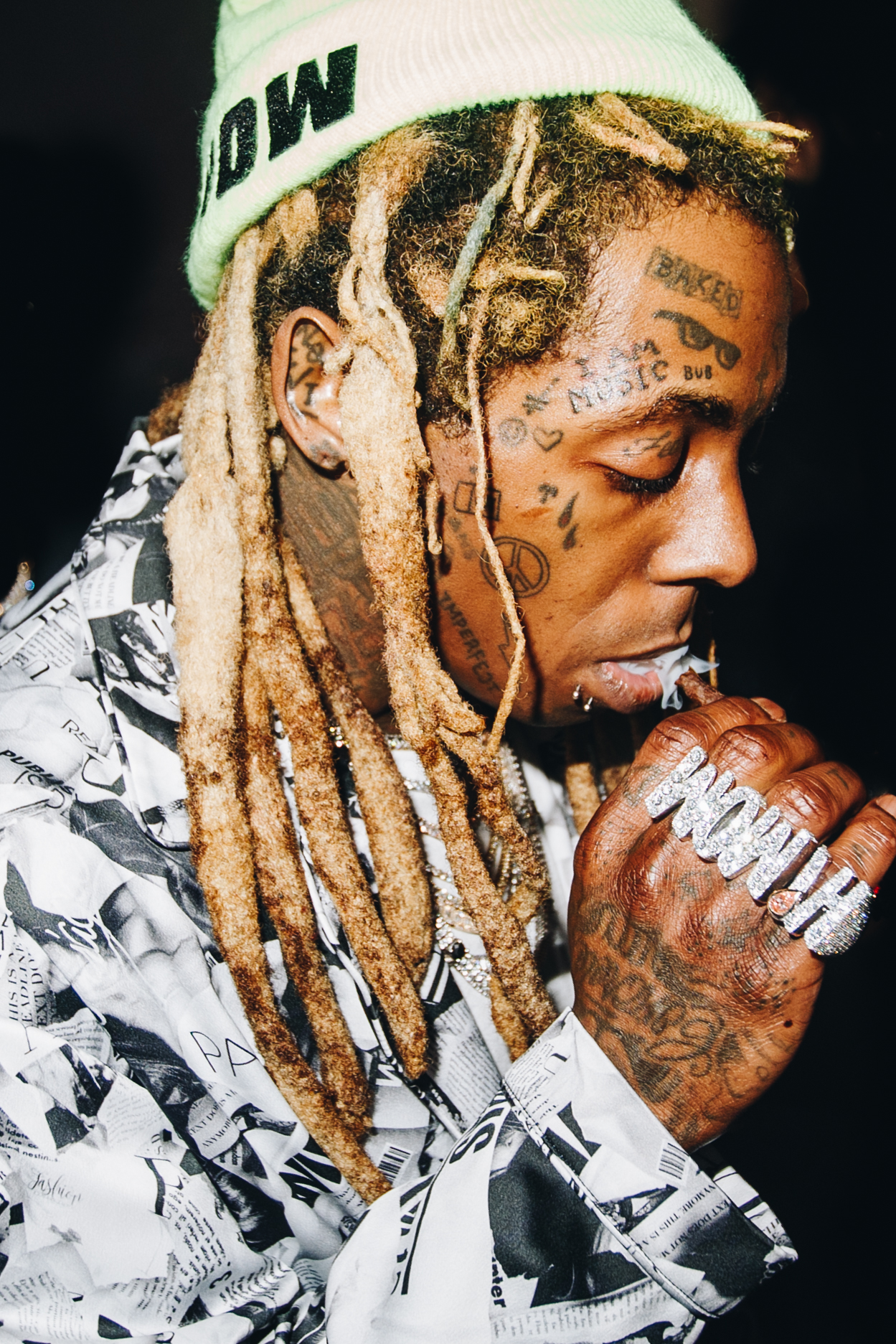
The kid couldn't reach the studio console without standing on a crate, but he already had a contract. In 1993, an eleven-year-old from Hollygrove named Dwayne Michael Carter Jr. put pen to paper for Cash Money Records after Birdman spotted him rapping on a New Orleans street corner. That signing came two years after the boy first walked into the label's orbit at age nine, carrying rhymes that would eventually reshape Southern hip-hop. Four decades later, the world knows him as Lil Wayne, and the anniversary of his birth on September 27, 1982, marks 44 years since New Orleans produced one of its most disruptive voices.
The geography of New Orleans runs through everything Lil Wayne would become. Born and raised in the city's neighborhoods, he absorbed the bounce, the heat, and the hustle that defined Louisiana rap in the early nineties. By 1993, Birdman had already built Cash Money into a local force, and he saw something in the kid's delivery that suggested a different kind of weapon. The label wasn't signing a novelty act. It was betting on a child who could out-rap grown men, and that bet would define the next quarter-century of the imprint's history.
His first recorded appearance came under a different name. As Baby D, Lil Wayne turned up on exactly three tracks of True Story, the 1994 album by B.G.'z, the duo he formed with fellow Cash Money signee B.G. The record barely hinted at what was coming, but it established a pattern: Wayne learned his craft inside a collective, surrounded by artists who pushed him toward sharper bars. The Baby D era was brief, but it gave him a foothold in a scene that was about to explode far beyond Louisiana.
By 1996, the pieces for something bigger were in place. Lil Wayne joined B.G., Juvenile, and Turk to form Hot Boys, a quartet that would turn Cash Money into a national brand. Their debut, Get It How U Live!, arrived in 1997, and the momentum built steadily. The breakthrough came with Guerrilla Warfare in 1999, an album that took the group's raw energy and sharpened it into something radio could not ignore. The single Bling Bling, credited to B.G. but powered by the whole crew, gave the culture a phrase it still uses.
Solo after the group splintered
Then the group splintered. After Guerrilla Warfare, every member except Lil Wayne walked away, leaving him alone at Cash Money just as the label's commercial peak approached. It could have been the end of his story. Instead, it became the beginning of the most prolific run Southern hip-hop had ever seen. His solo debut, Tha Block Is Hot, went platinum, and the follow-ups Lights Out and 500 Degreez each earned gold status. Those records kept him visible, but they didn't yet reveal what he was building toward.
Tha Carter changed the conversation. The fourth studio album, released after years of mixtape grinding, announced Lil Wayne as a lyricist who could bend language into shapes the genre hadn't seen. The single Go D.J. became a regional anthem and then something larger. With Tha Carter II, he extended that momentum, proving the first installment wasn't a fluke. The mixtapes he dropped between albums turned him into a cult obsession, with fans trading bootlegs and debating verses like scripture.
Tha Carter III and industry records
The culmination arrived with Tha Carter III. In its first week, the album sold more than one million digital copies, a number that reshaped how the industry measured success. Lil Wayne had become the most influential rapper of his generation, a title backed by more than sales figures. His voice carried the dirty south aesthetic into pop rap and hardcore hip-hop simultaneously, and his label moves, including co-founding Young Money and taking the CEO seat, extended that influence across a roster of artists who would dominate the next decade.
The business side was never separate from the music. Lil Wayne stayed with Cash Money as its leading artist until 2018, an eight-year exit that followed decades of creative tension and commercial triumph. Along the way, he worked with Atlantic Records, built Young Money into a powerhouse, and expanded into film acting, skateboarding, and music executive roles. The same restless energy that made him sign a contract at eleven kept pushing him into new lanes, even as the hits stacked up.
All of it traces back to that first moment in New Orleans, a kid standing on a street corner, convincing a local mogul that his voice mattered. Four decades and millions of records later, the 44-year-old Lil Wayne still carries the city with him. The crate in the studio is long gone. The hunger that put him there never left.
The crate in the studio is long gone. The hunger that put him there never left.