
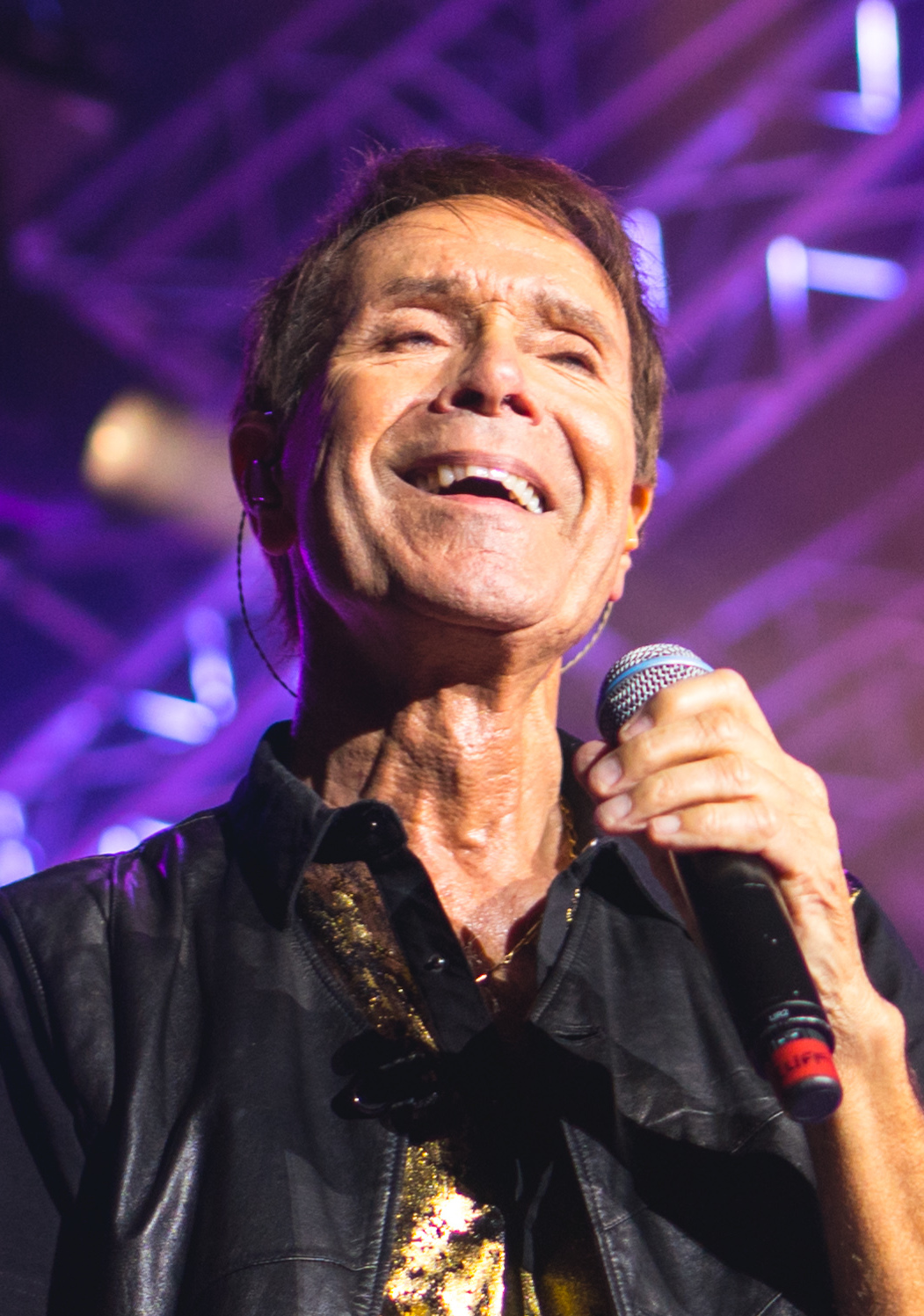
The name came before the fame. When Harry Rodger Webb, born in Lucknow, British India, on 14 October 1940, needed a stage name for his new rock and roll group, he chose 'Cliff' because it suggested a cliff face, a nod to rock. The surname 'Richard' was suggested by Ian Samwell in honour of Little Richard. The boy who would become Cliff Richard was already thinking about what a British rock star should sound like.
The boy who would become Cliff Richard was already thinking about what a British rock star should sound like.
From Lucknow to Cheshunt
The journey to that moment began far from any stage. His family moved to England in 1948 after Indian independence, a three-week sea voyage aboard the SS Ranchi. They first lived in Carshalton, Surrey, then in 1950 received a three-room council house in Cheshunt. Cliff Richard attended Cheshunt Secondary Modern School from 1952 to 1957 and passed his English literature GCE Ordinary Level exam. After school he worked as a filing clerk at Atlas Lamps.
Music arrived through a gift. At 16 his father bought him a guitar, and Cliff Richard became interested in skiffle. In 1957 he formed a school vocal harmony group, The Quintones, then sang in the Dick Teague Skiffle Group. By 1958 he was the lead vocalist of a rock and roll group called The Drifters. The new name, Cliff Richard, was ready for the stage.
Move It and the first chart success
The first major concert came in 1958 at the Regal Ballroom in Ripley, Derbyshire. That same year the debut single 'Move It' reached number two on the UK Singles Chart. John Lennon called 'Move It' the first British rock record. The single gave Cliff Richard a place in music history before he had even turned twenty.
The hits kept coming. The fifth single, 'Living Doll', became his first number one on the UK Singles Chart. The Drifters had to change their name to The Shadows because of legal problems with an American group. The Shadows became a separate contract group and did not receive royalties for recordings with Cliff Richard. In 1959 The Shadows signed their own contract with EMI.
Films and the Cliff Richard musical
Cliff Richard and The Shadows made six feature films together. The films created a genre known as the Cliff Richard musical. In 1962 and 1963 he was named the top box-office star of British cinema. The title song of the film 'The Young Ones' became his best-selling single in the UK, selling more than a million copies.
Not every gamble worked. In 1968 he represented the United Kingdom at the Eurovision Song Contest with 'Congratulations' and finished second, losing to Spain by one point. During the voting he locked himself in a toilet to cope with his nerves. In 1975 he released the single 'Honky Tonk Angel', but when he learned the phrase was slang for a prostitute, he demanded the pressing be withdrawn. Around 1000 vinyl copies of the single are known to exist.
The music kept evolving. In 1979 'We Don't Talk Anymore' topped the UK Singles Chart and reached number 7 in the United States. The single sold almost five million copies worldwide. Bryan Ferry added humming backing vocals to the song. Cliff Richard had become a star who could move between rock and roll, film and pop without losing his audience.
The recognition grew with the years. In 1995 Queen Elizabeth II granted him a knighthood. In 2002 a BBC poll placed him among the 100 greatest Britons. The boy from Lucknow who chose a name that meant rock had spent more than six decades proving that the choice was the right one.