
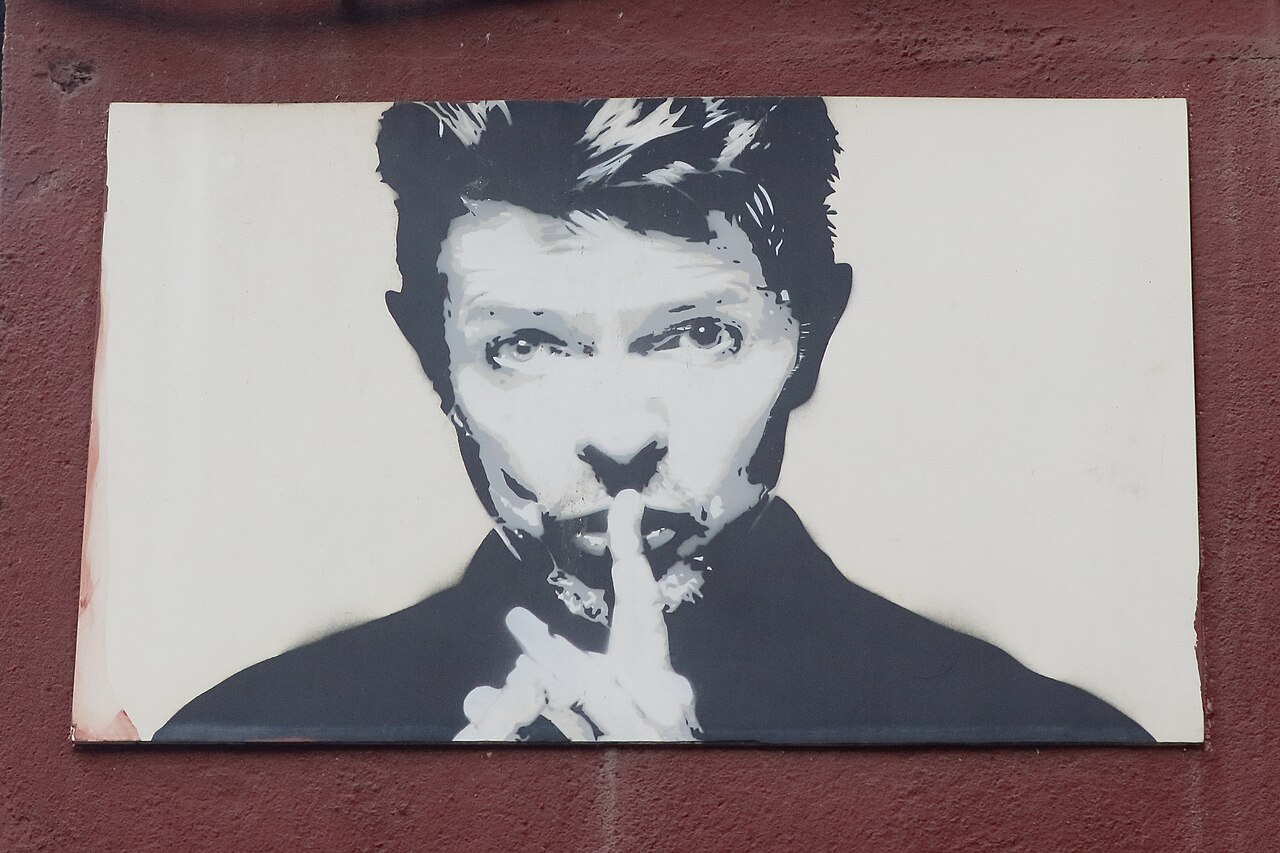
A recording studio stood five hundred yards from the Berlin Wall, close enough that the concrete barrier and its watchtowers were part of the daily view. David Bowie, the British singer and songwriter, called the place 'the hall by the wall'. It was there, in the summer of 1977, that he made 'Heroes', his twelfth studio album and the second part of what became known as his Berlin trilogy. David Bowie released Heroes on October 14, 1977.
The only album recorded entirely in Berlin
The setting was not a gimmick. Of the three albums in that trilogy, only 'Heroes' was recorded entirely in Berlin, at Hansa Studio 2 in the city's western half. The wall was a constant presence, a symbol of division that seeped into the music. Bowie had already begun moving away from rock stardom with the previous album 'Low', but this time the sound felt warmer, more open, even hopeful in places.
The sessions themselves were built on risk. Bowie and producer Tony Visconti worked with a core band of guitarist Carlos Alomar, bassist George Murray and drummer Dennis Davis. Most tracks were written on the spot, and Bowie often wrote lyrics while standing at the microphone, a method he had picked up from working with Iggy Pop. Visconti kept a two-track tape machine running constantly so that no accidental idea would be lost.
One of the boldest moves involved guitarist Robert Fripp, the former King Crimson member. He was invited on the suggestion of Brian Eno, who had already collaborated with Bowie on 'Low'. Fripp arrived without having heard the songs and recorded all his guitar parts in three days. That kind of blind trust could have produced chaos, but instead it gave the album an edge that careful planning might have smoothed away.
That kind of blind trust could have produced chaos, but instead it gave the album an edge that careful planning might have smoothed away.
From 'Low' to a brighter sound
The album kept the structure of 'Low': a first side of more traditional rock songs and a second side that was largely instrumental. But the mood had shifted. Where 'Low' felt cold and distant, 'Heroes' pushed the electronic and ambient approach into brighter territory. The title track, released as a single in September 1977, told a story of two lovers kissing by the wall, inspired by a real moment between Visconti and a backing singer.
That single did not become an immediate hit. It reached only number twenty-four on the UK Singles Chart and missed the American charts altogether. Yet the album itself climbed to number three in Britain, and music papers NME and Melody Maker both named it the best album of the year. The song 'Heroes' would outgrow its chart position, but at the time its modest showing was a reminder that Bowie was no longer chasing easy success.
The quotation marks around the title
The title itself carried a wink. Bowie put the word 'Heroes' in quotation marks, a nod to the irony of heroism and to the song 'Hero' by the German band Neu!. The only song written before the sessions, 'Sons of the Silent Age', had originally been planned as the title track. Instead, the album took its name from a word that Bowie wanted listeners to question rather than accept.
By the time 'Heroes' was released on 14 October 1977, Bowie had made an album that felt both of its moment and strangely timeless. It was recorded in the shadow of a wall that divided a city, by musicians who often did not know what they were playing until the tape was rolling. That tension, between control and accident, became the record's true subject.
The album was later reissued and remastered, and its influence stretched far beyond its first pressing. But the core of 'Heroes' remains that summer in Berlin, where a singer stood before a microphone in a room near the wall and let the songs find their own shape. The result was not a monument to heroism, but a record about the strange, fragile hope of two people standing close while the world stayed divided.