
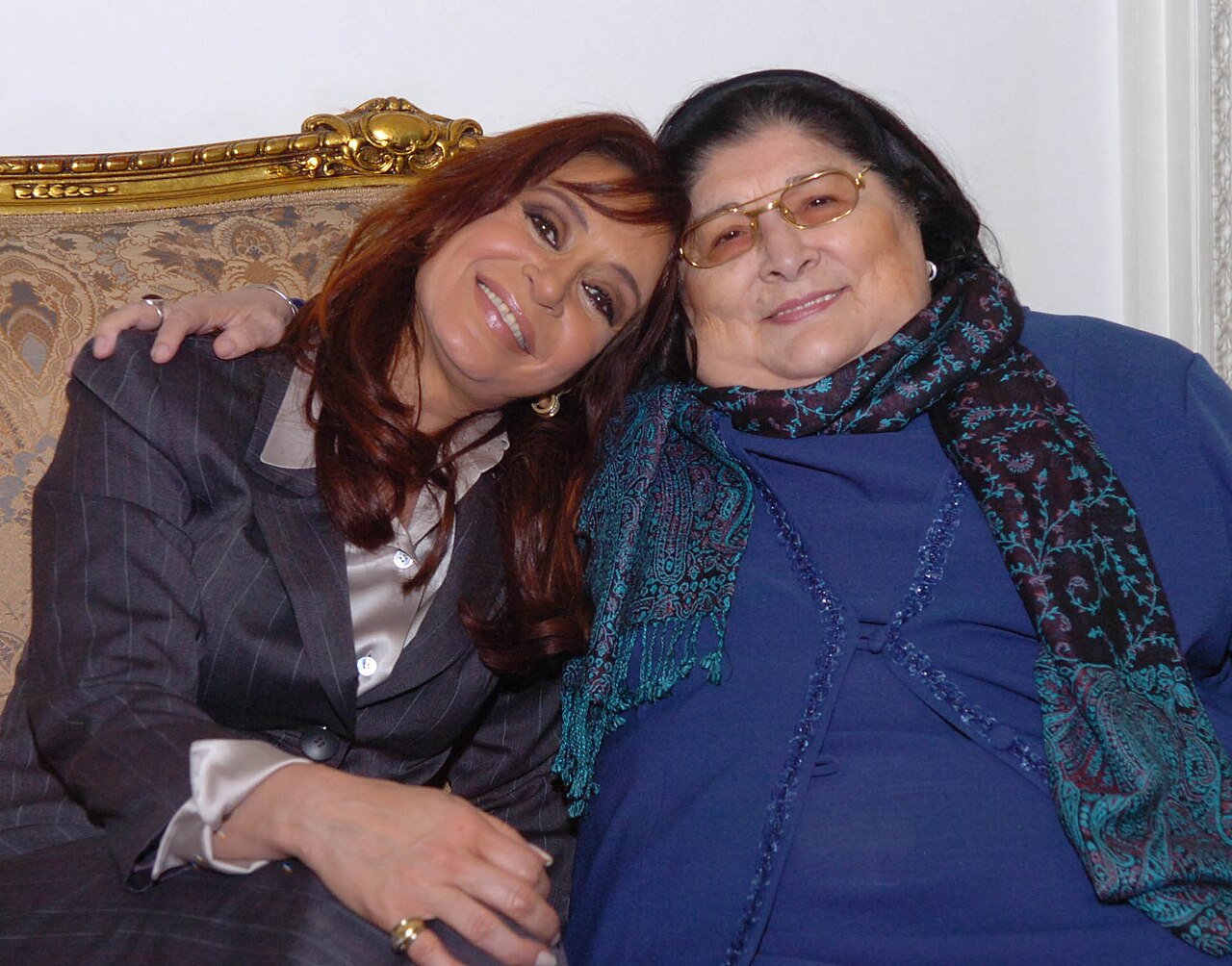
In the city of La Plata, a concert was underway. On stage stood Mercedes Sosa, the Argentine folk singer known to millions as la Negra, a nickname that came from her indigenous roots. Then soldiers moved through the aisles. They arrested her mid-performance and took the audience with her. That night, almost fifty years ago, should have ended her career. Instead, it became the moment the world learned her name. Mercedes Sosa died on October 4, 2009.
From Tucumán to nuevo cancionero
Sosa had spent years building a voice that belonged to ordinary Argentines. She was born in San Miguel de Tucumán, in the north of the country, to a day laborer and a laundress. As a teenager she won a singing competition on a local radio station, and by the mid-1960s she was a leading figure of the nuevo cancionero movement, which gave folk music a political edge. Her country's military regime, however, did not want that voice on stage.
After the coup of 1976, the threats began. Sosa refused to leave for a long time, even as the danger grew. Then came the arrest in La Plata, and the regime made its position official: she was banned from performing. Only international pressure secured her release. Exile followed, first in Paris, then Madrid. From that distance, she recorded the album A quien doy, which included Patricio Manns' song 'Cuando me acuerdo de mi país' — a title that means 'When I Remember My Country.'
Return to the Teatro Opera
The distance did not quiet her. If anything, exile sharpened what her music meant. Two years after the arrest, Sosa returned to Argentina and walked onto the stage of the Teatro Opera in Buenos Aires. The concerts were recorded and released as the double album Mercedes Sosa en Argentina, which became a bestseller. It was not just a homecoming; it was a declaration that the voice the regime tried to silence now belonged to everyone.
It was not just a homecoming; it was a declaration that the voice the regime tried to silence now belonged to everyone.
Her return opened a second act that reached far beyond folk clubs. She performed in the Sistine Chapel at the Vatican, an unlikely setting for a woman once banned by her own government. She collaborated with singers from opera and pop, and her recordings won Latin Grammy awards. A song of hers, 'Balderrama,' even found its way into a film about Che Guevara. But none of that would have carried the same weight without the arrest, the ban, and the exile that came before.
When she died in Buenos Aires in 2009, the country responded as if it had lost a national institution. The government declared three days of mourning. Her body lay in the National Congress building, where thousands came to say goodbye. She had asked for her ashes to be scattered near San Javier, in the province of Tucumán, where she was born. The woman who had been dragged off a stage returned to the earth of her homeland.
The scale of her legacy is still being measured. In 2023, Rolling Stone placed her among the 200 greatest singers of all time. But perhaps the clearest sign of what she meant came earlier, in the outpouring after her death. A singer who had been silenced by a military regime was mourned by a democracy in the halls of its congress. That is the arc of Mercedes Sosa's life: from a stage in La Plata to the heart of the nation.