
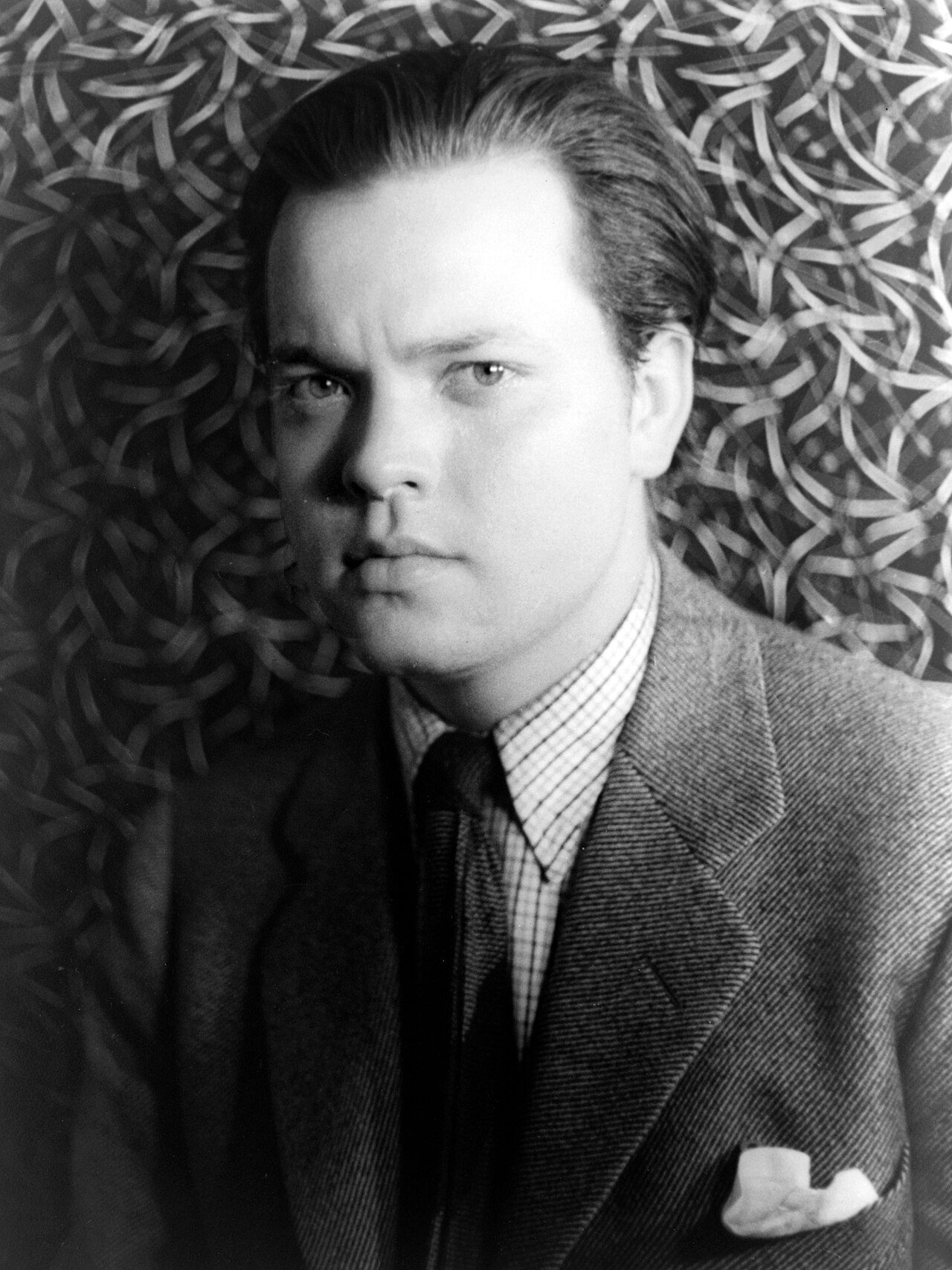
On the evening of 10 October 1985, Orson Welles sat for a television interview with Merv Griffin, then went home to Hollywood and died of a heart attack within two hours. The film director and former stage actor was sixty-nine years old, and his exit was as sudden as the radio broadcast that had made him famous almost half a century earlier. There was no long decline, no final cut. He simply finished talking and was gone.
The radio broadcast that made him
That abruptness suited a man whose career ran on bursts of daring. In 1938, at twenty-three, Welles adapted H. G. Wells's The War of the Worlds for radio and convinced part of the American audience that Martians had landed in New Jersey. The panic was real enough to make headlines, and it gave the young director an international reputation before he had ever shot a frame of professional film. Radio had turned him into a name people either admired or feared.
Hollywood called, and Welles answered with Citizen Kane in 1941. He co-wrote the script, produced, directed, and played the lead, a concentration of control that no studio had expected from a newcomer. The film did not make him rich, but it made him immortal: in 2000 the American Film Institute placed it first on its list of the hundred best American films. The boy from Kenosha, Wisconsin, had made the movie that would define what a director could be.
A long argument with Hollywood
What followed was a long argument with the industry. His second feature, The Magnificent Ambersons, came out in 1942 and earned four Oscar nominations but won none. The Lady from Shanghai, released in 1947 with his second wife Rita Hayworth, was a huge success in Europe and a failure in the United States. By the end of that decade Welles had left Hollywood and settled in Europe, where he kept working on projects that often slipped out of his hands.
Some of those projects never slipped back. He began filming Don Quixote in the mid-1950s and never finished it. The Other Side of the Wind stayed unfinished as well. Yet Welles kept making films that mattered to him, including F for Fake in 1975, a playful documentary about forgery and illusion. That same year the Academy gave him an honorary Oscar for outstanding contributions to cinema, a prize that acknowledged the body of work even while parts of it remained incomplete.
The unfinished films became part of the legend, but they were not the whole story. In 2002 the British Film Institute named Welles the greatest director of all time, a judgment built on the films he did complete and the ones that survived in fragments. His ashes were buried in Ronda, Spain, far from Hollywood, in a landscape that matched the restless geography of his later years. He had left America long before, but his name never left the conversation about what movies could do.
Forty-one years after his death, the image that lingers is not the old man on the talk show but the young director who scared a nation with a radio play and then walked into a studio and made Citizen Kane. Orson Welles died quickly, but he had spent a lifetime proving that a single bold gesture could change the medium. The interview ended, the heart stopped, and the work stayed on the screen.
Orson Welles died quickly, but he had spent a lifetime proving that a single bold gesture could change the medium.