
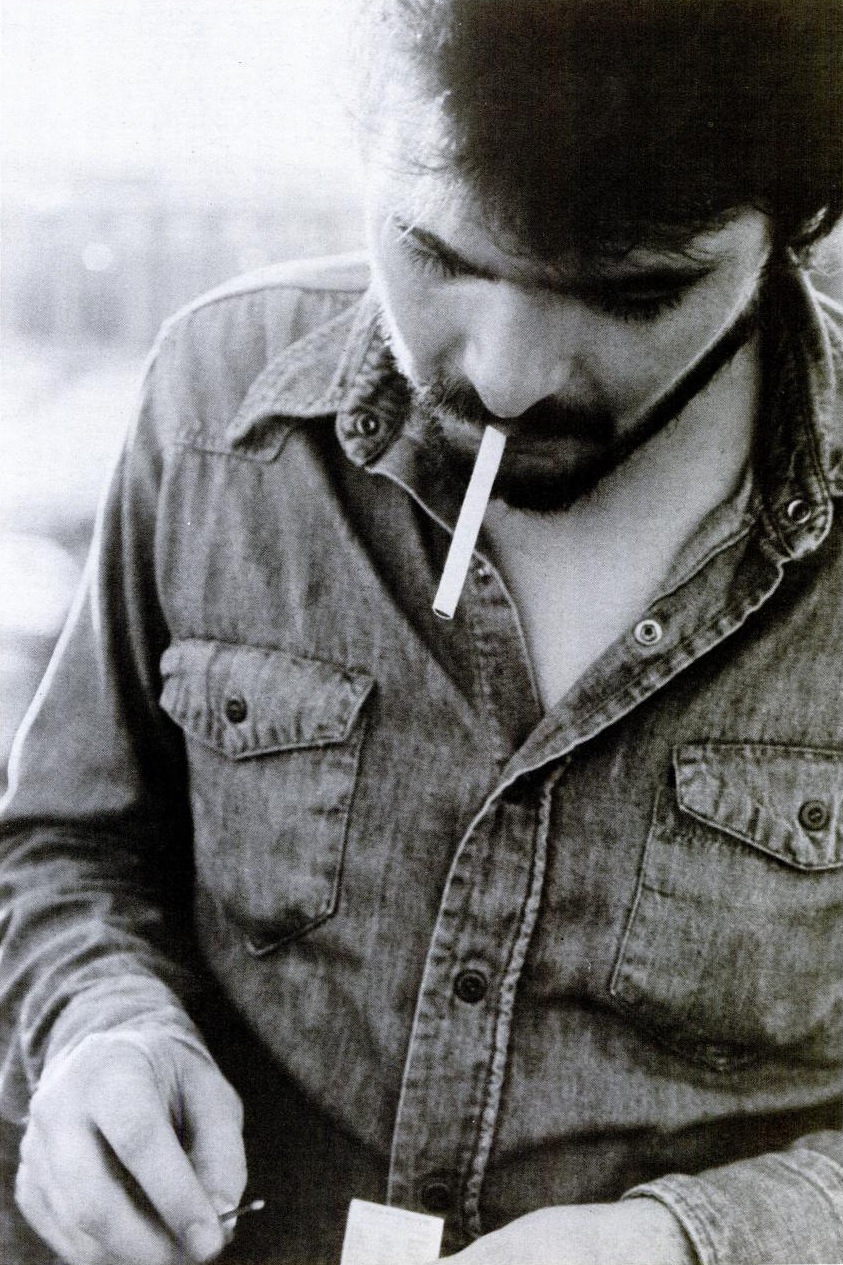
The first time John Prine sang his own songs in public, he wasn't even sure he belonged on stage. He had been sitting in the audience at the Fifth Peg, a bar in Chicago, watching others perform. A comment from one of the performers nudged him to get up and try. The moment he finished, the room offered him paying gigs. That was the late 1960s, and the man who would become one of America's most admired songwriters was still delivering mail for the United States Postal Service. John Prine was born on October 10, 1946.
From Maywood to the mail route
Prine was born on October 10, 1946, in Maywood, Illinois, a suburb of Chicago. His parents came from Muhlenberg County, Kentucky, and every summer the family drove back to visit relatives near the small town of Paradise. He started playing guitar at 14, taught by his older brother David. For five years he carried mail through Chicago's streets, and while he worked he began writing the songs that would later make strangers weep in dark clubs.
The songs he sang that first night were not ordinary bar tunes. They were about a Vietnam veteran's trauma, about the way strip mining was destroying the Kentucky landscape his parents called home, about the loneliness of growing old. He had never released a record, but the words already sounded like they had been carved from experience. After that first appearance, the offers of paid concerts told him something important: people were not just being polite.
He had never released a record, but the words already sounded like they had been carved from experience.
Roger Ebert and the debut album
Everything changed when Roger Ebert, the film critic for the Chicago Sun-Times, happened to hear Prine at the Fifth Peg. Ebert wrote his first-ever review about the singer, and the piece made Prine's name travel far beyond the bar's regulars. Suddenly the shy mailman was a central figure in the Chicago folk revival. The attention led to a debut album, simply called John Prine, released in 1971.
That first record carried the songs he had been testing on small audiences: 'Sam Stone' about a wounded Vietnam veteran, 'Paradise' about the coal industry's damage to his parents' Kentucky home, and 'Hello in There' about aging, a song that many other artists would later record. Bob Dylan once showed up unannounced at one of Prine's early New York club appearances and played harmonica alongside him without giving his name. The album would eventually land on Rolling Stone's list of the 500 greatest albums of all time and enter the Grammy Hall of Fame.
Prine never chased fame the way the industry expected. He wrote with a plainspoken clarity that made other songwriters study his work. Johnny Cash, Joan Baez, Bonnie Raitt, and John Denver all recorded his songs. He won Grammy Awards for best contemporary folk album twice, and in 2020 he received a Grammy Lifetime Achievement Award. The mailman who once hesitated to step onto a bar stage had become a songwriter's songwriter, the kind of artist whose name gets spoken with reverence in Nashville and beyond.
The strange part is that the hesitation never really left him. He built his career on watching, listening, and then saying the thing everyone else was afraid to say. The songs from that first nervous night in Chicago still sound like conversations with a friend who has seen too much and decided to tell you the truth anyway. John Prine died in 2020, but the voice that began in a bar called the Fifth Peg still feels like it is sitting right next to you.