
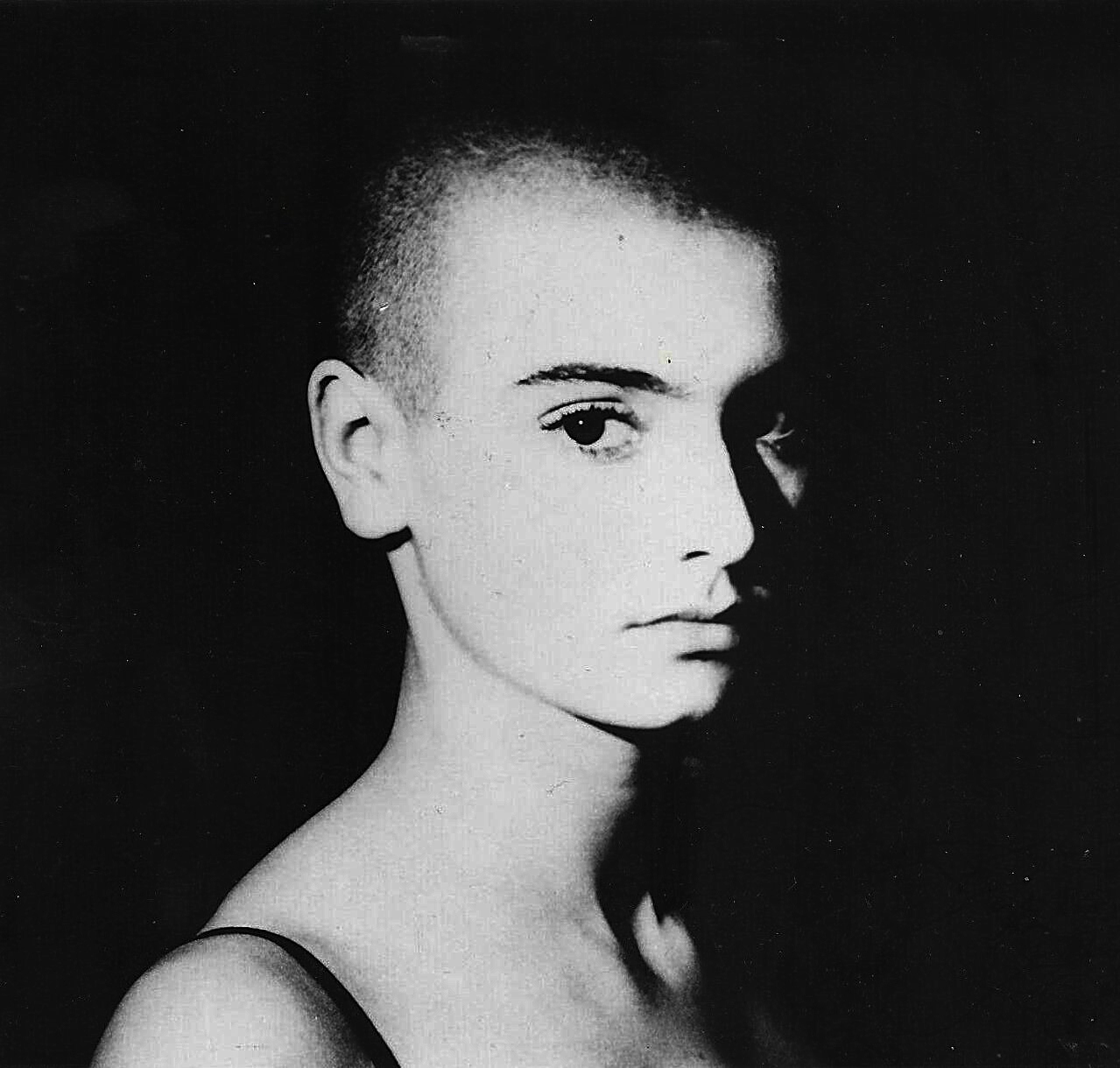
A single photograph of Pope John Paul II, held up to a live television camera, became the most dangerous object in American pop culture. The Irish singer Sinéad O'Connor stood on the Saturday Night Live stage, her head shaved, her eyes fixed on the lens. She had just finished singing Bob Marley's 'War' a cappella, changing one word so that the song accused the church of child abuse instead of racism. Then she tore the picture into pieces and said nothing. The silence that followed was louder than the song.
The album that made her famous
Three weeks earlier, O'Connor was the biggest voice in the world, though nobody knew how fragile that position was. Her second album I Do Not Want What I Haven't Got had spent six weeks at the top of the American chart, powered by a single that felt less like a hit than a weather event. 'Nothing Compares 2 U', written by Prince and first recorded by his band The Family, stayed at number one for a month. The video was just her face, tears falling, and it made her famous enough that no one could look away from what she did next.
The roots of that gesture went back to her debut, an album called The Lion and the Cobra that announced her as a singer who refused to be small. It reached the lower half of the Billboard 200, but its songs travelled further than the chart suggested. 'Mandinka' became a college radio anthem and climbed the American dance chart, while 'Troy' went top five in the Netherlands. On one track, the singer Enya read Psalm 91 in Irish, a strange and beautiful bridge between a young Dubliner and a much older world.
Refusals that set the pattern
By the time she walked onto the SNL stage, O'Connor had already tested the limits of American patience. She refused to perform in New Jersey unless the venue dropped the national anthem from her show. Frank Sinatra publicly threatened to kick her, and the Grammy committee gave her an award for Best Alternative Music Performance, which she declined to accept in person. The Brit Awards did the same, and she stayed home. Each refusal made the next one easier, and each one taught her audience to expect a fight.
On that October night, she chose a song by Bob Marley and turned it into a weapon. The lyrics listed abuses and called for justice, but O'Connor swapped the word 'racism' for 'child abuse', aiming the whole weight of the song at the Catholic Church. The photograph of the Pope was not a prop; it was the argument. When she tore it, she was not just breaking an image. She was breaking the unspoken rule that a pop star may sing about pain but must never name the institution that caused it.
Backlash from network and audience
The backlash arrived before the show ended. NBC, the network that broadcast Saturday Night Live, was fined millions of dollars by the Federal Communications Commission. Two weeks later, O'Connor walked onto the stage at Madison Square Garden for a concert honoring Bob Dylan's thirty years in music, and the crowd booed her before she could sing a note. The same audience that had wept to 'Nothing Compares 2 U' now treated her as an enemy. The singer who had once topped the American chart for over a month was no longer welcome on it.
She kept making records, but the machinery of pop stardom never fully restarted for her. A duet with the band The The on their song 'Kingdom of Rain' showed she could still sing with terrifying tenderness. Her early television appearance on Late Night with David Letterman, where she performed 'Mandinka', had once introduced her to America as a thrilling newcomer. After the SNL incident, every appearance became a referendum on her character rather than her voice.
What she lost in chart positions she gained in moral clarity, though the cost was real and lasting. The singer who had once refused a Grammy and a Brit Award rather than play the industry's games had finally found a protest too big for the industry to absorb. The photograph was torn in seconds, but the argument behind it took decades to be heard. Sinéad O'Connor did not change the church that night. She changed what a pop star was allowed to risk.