
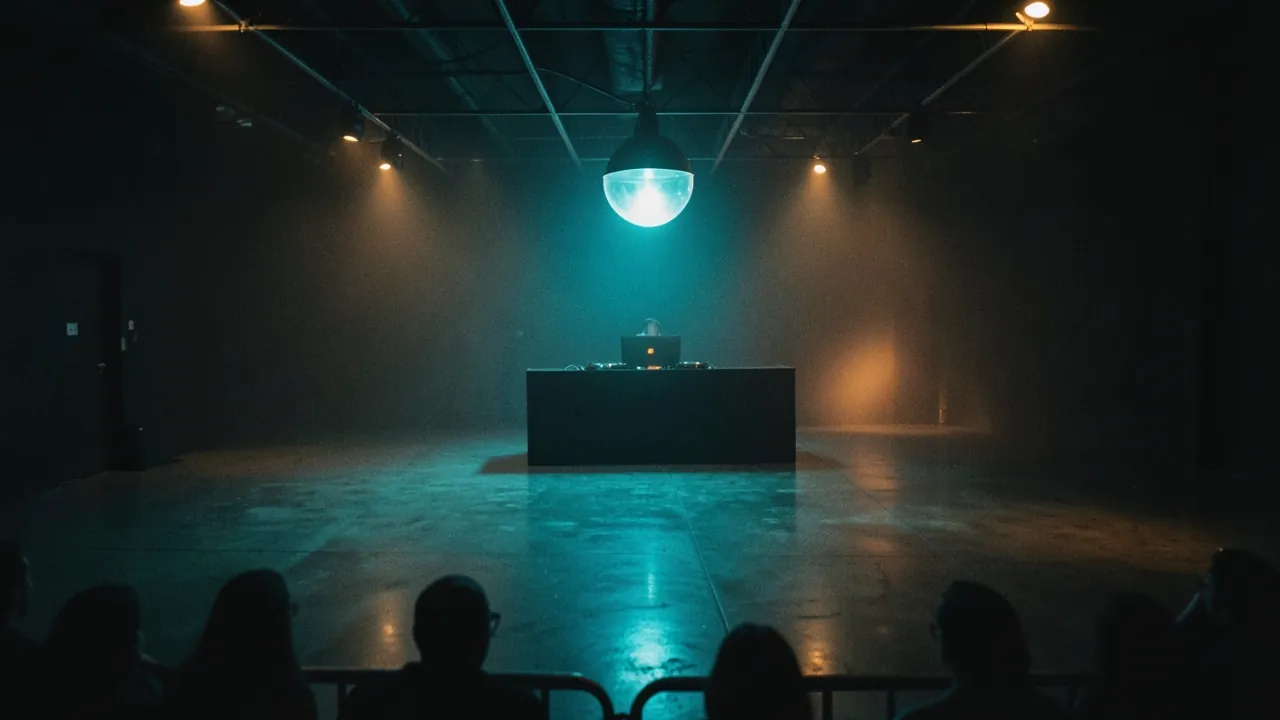
The Coach House studio sat quiet except for the low hum of equipment, the air thick with the residue of a city that never quite sleeps. Massive Attack had finished Blue Lines, watched it reshape British music from a Bristol basement, and now faced the unenviable task of doing it again. On 26 September 1994, the trio delivered Protection, a record that pulled the curtains shut and let the night in.
The follow-up to Blue Lines
Protection arrived as the second studio album from Massive Attack, a follow-up to a debut that had already rewritten the possibilities of UK electronic music. Blue Lines had turned heads, but the pressure of expectation hung over every session. The group retreated into the familiar territory of their hometown, building the record at Coach House, a space where the edges of hip-hop, soul, and dub could bleed into one another without interference.
The album took the sound that journalists were beginning to call trip-hop and pushed it toward something more nocturnal. Bristol's after-dark energy shaped the record's murky textures and slow, deliberate grooves. Where Blue Lines carried a certain warmth, Protection moved with a heavier tread, its atmosphere built from shadow and restraint rather than sunshine and swagger.
Tracey Thorn and the title track
Tracey Thorn stepped into the vocal booth for the title track, her delivery cutting through the murk with precision and ache. Protection became a single in 1995, climbing to number 14 on the UK chart, and the song's emotional pull gave the album its centre of gravity. Massive Attack had previously traded in fractured male voices; Thorn brought a clarity that made the darkness feel more human.
Thorn brought a clarity that made the darkness feel more human.
Tricky, still a member of Massive Attack at the time, lent his presence to the sessions, most notably on Karmacoma. That track became one of the album's defining moments, its paranoid pulse and compressed vocals hinting at the solo path Tricky was already mapping in his head. Protection marked the end of his tenure with the group, and he departed shortly after to release his own fractured, claustrophobic debut.
Samples, jazz, and negative space
The sound of Protection drew on a wide pool of ingredients. Session musicians added live instrumentation, while samples lifted from old jazz recordings floated through the mix, giving the tracks a spectral quality. Instrumental compositions interrupted the vocal-led material, allowing texture and tone to take precedence. The result was an album that breathed through negative space as much as through melody.
Reception was immediate and warm. Critics praised the group's refusal to repeat the formula of Blue Lines, and Protection climbed to number 4 on the UK album chart. A nomination for the Mercury Prize followed, alongside a gold certification in Britain. In the United States, where Virgin Records handled the release, the album failed to chart, a reminder that Bristol's particular brand of midnight was not yet exportable.
Tomato's restrained artwork
The cover, designed by the Tomato collective, carried a visual language that felt inseparable from the music. Tomato had worked on Blue Lines, but for Protection the imagery grew more abstract, more restrained, matching the album's shift away from daylight. The design helped cement the record's identity as a complete statement, not merely a collection of songs pressed onto CD and cassette.
By the time 2019 arrived, the album had long been absorbed into the canon of British electronic music. A remastered vinyl reissue appeared, cleaning up the original recordings without sanding away their grain. Protection continues to appear in lists of the best albums of the 90s, a record that reshaped trip-hop while standing at the edge of it.
Thirty-two years after its release, Protection remains a landmark in the evolution of electronic music, an album that balanced hip-hop's rhythm with soul's ache and dub's depth. The Wild Bunch Records original pressing still circulates among collectors, its worn sleeves carrying the echoes of a studio in Coach House where Massive Attack decided to make the night permanent.