
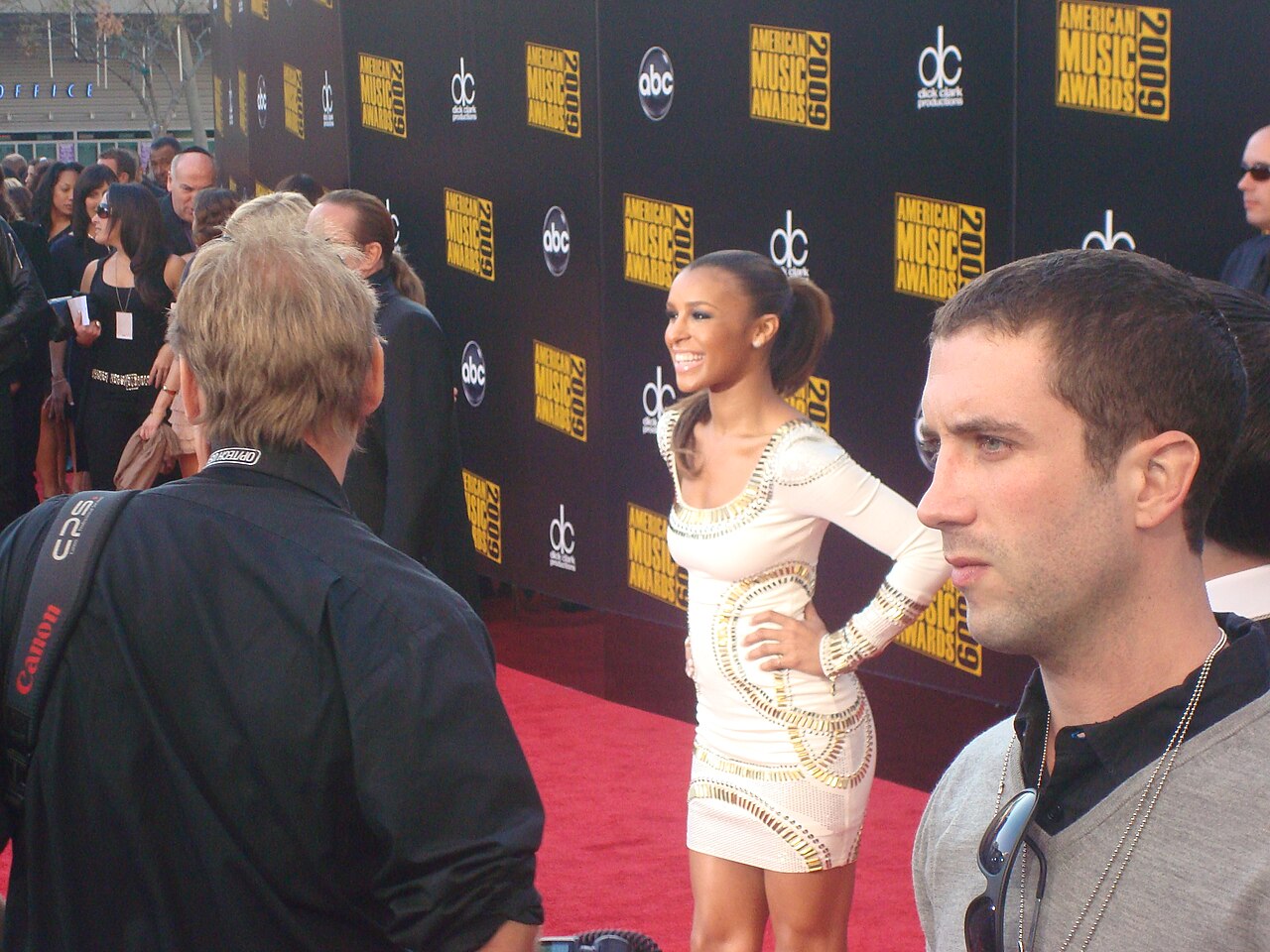
A six-year-old stands in front of her elementary school class and sings 'This Little Light of Mine.' That Phoenix classroom in 1984 was the first stage Melody Thornton ever claimed, long before the glitter and choreography. Born on September 28 in Arizona, she grew up between two worlds: her mother's Mexican heritage and her father's African American roots. The girl who would later be called Baby Doll was already learning how to hold a room with nothing but a voice.
From Phoenix talent shows to MTV
By the time she reached Papago Elementary, Thornton had traded gospel-tinged simplicity for full-blown diva ambition. She performed Mariah Carey's 'Without You,' a song built on vocal runs that humble seasoned professionals. Local talent shows around Arizona kept feeding that instinct. She graduated from Camelback High School in Phoenix in 2003, carrying the kind of raw vocal ability that audition panels notice immediately. What happened next arrived through a television screen.
Thornton saw a segment on MTV about Christina Aguilera appearing with The Pussycat Dolls. That broadcast was enough to pull her into an audition in 2003. She got in. The group signed with Interscope Records and transformed from a burlesque-inspired revue into a mainstream pop machine. Thornton, at nineteen, became the youngest member, which earned her the nickname Baby Doll. The other singers called her that because age gaps in a six-woman lineup become shorthand for identity.
Second lead in the Dolls
Inside The Pussycat Dolls, Thornton held the second lead vocal position behind Nicole Scherzinger. That structure meant she was often the voice cutting through the harmonies on tracks where the spotlight tilted elsewhere. The group released PCD in 2005 and Doll Domination in 2008, records that pushed them toward becoming one of the best-selling female groups in the world. A Grammy nomination followed. The machinery worked, but the hierarchy inside it stayed rigid.
By 2010, Thornton had decided the second position was not the destination. She left The Pussycat Dolls to build something under her own name. Sixteen years later, the departure reads less like an exit and more like a redirection. She had spent seven years inside a group whose visual identity often outshouted individual voices, and now she wanted to test what her own material could carry. The transition was not immediate. Reality television came first.
Solo moves and reality TV
In 2011 she appeared on Popstar to Operastar, a show that forced pop singers into classical repertoire. Eight years later, she was strapping on skates for Dancing on Ice. Neither format flattered her core strength, but both kept her visible while she assembled a solo catalog. In 2012 she released her first mixtape, P.O.Y.B.L., independently on March 15. That project established a pattern: Thornton moving without major-label scaffolding, issuing music on her own terms.
The mixtape led to Lioness Eyes, an EP that arrived in 2020. The title suggested a sharper sense of self after years of being positioned as the youthful one in a group photograph. By then she had also stepped into musical theater, playing Rachel Marron in The Bodyguard. The role demanded acting, dancing, and live vocals in equal measure, a combination that suited someone who had modeled and danced professionally before and during her Dolls era.
In 2022 she won the fourth season of The Masked Singer Australia. The format hides identity behind costumes, but the voice kept leaking through to the judges. Winning that show meant beating competitors without the advantage of her face or the Pussycat Dolls brand attached to her name. For someone who spent her most famous years sharing credit, the victory functioned as a quiet recalibration. She had become a television personality, a stage performer, and a solo artist with a recognizable instrument.
Thornton turns 42 in 2026, twenty-three years removed from that MTV audition and twenty-one years past the album that made her famous. The girl who sang 'Without You' at Papago Elementary never stopped chasing the moment where the voice alone is enough. Her catalog outside the Dolls remains compact: one mixtape, one EP, scattered stage roles. But the arc from Phoenix talent shows to a masked victory in Australia says the instrument was never the question. The question was always who would get to hear it.