
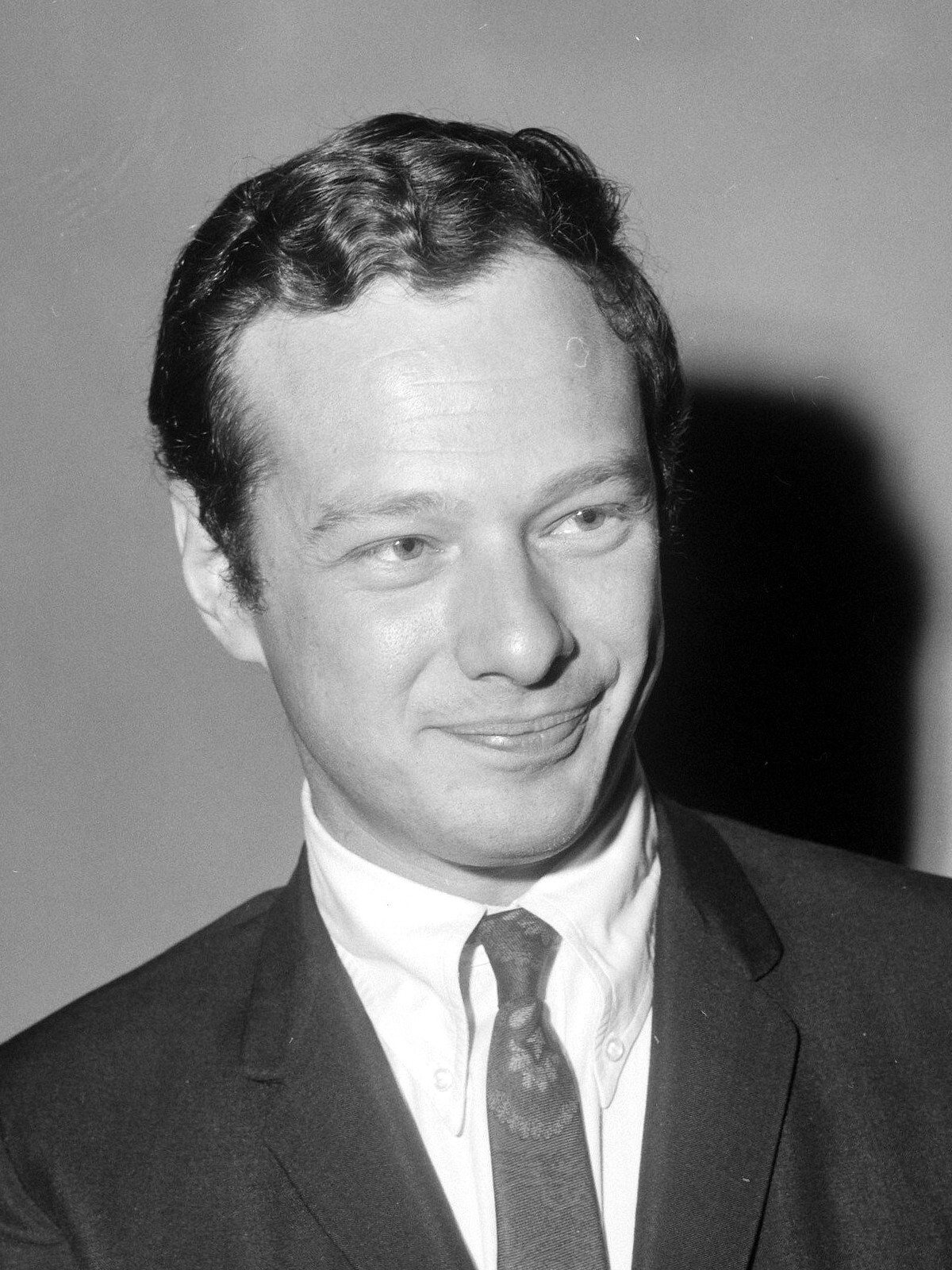
He was expelled from school repeatedly, failed his entrance exams at thirteen, and struggled to make friends — yet that same boy would later persuade four leather-clad Liverpool musicians to trade their scruffy image for tailored suits and conquer the world. Brian Epstein was born on September 19, 1934, into a comfortable Jewish family in Liverpool. His grandfather Isaac Epstein had built the furniture business Epstein and Sons, and his parents were successful retail traders. The path from failing student to the man who managed The Beatles from 1962 until his death in 1967 seems almost impossible.
A difficult start in Liverpool
Brian Samuel Epstein disliked studying, sport, and found social connections difficult from an early age. By the age of ten he had been expelled from school several times. At thirteen he failed the entrance exams for a private school. His parents enrolled him at West Country school, which accepted anyone who applied. There, something shifted — he excelled at painting and finally made friends. In the autumn of 1948, his father secured him a place at Rekin College, a private institution.
At Rekin College, Epstein drew better than anyone in his class. He wanted to become a fashion designer, a dream that seemed plausible given his visual talent. But family expectations pointed elsewhere. His parents placed him in charge of their music store, a retail operation where he would discover an unexpected gift: spotting talent. The boy who once couldn't pass exams had found a world where his instincts worked.
Discovering The Beatles at the Cavern
In 1961, Epstein walked into the Cavern club in Liverpool for a lunchtime concert and saw The Beatles for the first time. He had no experience managing artists, yet he signed them to a contract. His retail background gave him a different perspective — he understood presentation, customer appeal, and what made people buy. He insisted The Beatles abandon their scruffy image in favor of a clean style, a decision that reshaped how the band was perceived.
Epstein then set about securing a recording contract. He faced rejection after rejection from London labels who saw no future in a Liverpool beat group. Eventually he landed a deal with Parlophone, a label owned by EMI. Within months, The Beatles became international stars. The transformation from Cavern regulars to global phenomenon happened with startling speed, and Epstein's instincts about image and marketability proved central to that rise.
Building a management roster
His management roster expanded beyond The Beatles. Gerry and the Pacemakers, Billy J. Kramer and the Dakotas, Tommy Quickly, Cilla Black, and The Big Three all came under his wing. Several of these young performers found success under his guidance. Epstein was building something unusual for the era — a Liverpool-based management operation that repeatedly broke acts into the British and American markets.
The commercial success he facilitated for The Beatles was concentrated mainly in the UK and the US. Epstein's role as an English music entrepreneur went beyond contracts and bookings. He shaped how the band presented themselves, negotiated their deals, and navigated the rapidly changing pop landscape of the mid-1960s. His lack of formal management training never seemed to hold him back — if anything, his outsider instincts worked in his favor.
On August 27, 1967, Brian Epstein died in London at the age of 32. The cause was an overdose of alcohol and barbiturates, and the death was ruled accidental. He had been managing The Beatles since 1961, through their rise from local favorites to the biggest act in popular music. The news stunned the band and the industry. Ninety-two years after his birth in 1934, the question of what he might have done next remains one of pop music's great unresolved threads.
The boy who failed exams, got expelled, and couldn't fit in had become the man who told four working-class musicians to put on suits and then sold them to the world. He never became a fashion designer, but he designed something arguably more influential — the visual and commercial identity of the most successful band in history. His store-trained eye for presentation became the lens through which millions first saw The Beatles.
His store-trained eye for presentation became the lens through which millions first saw The Beatles.