
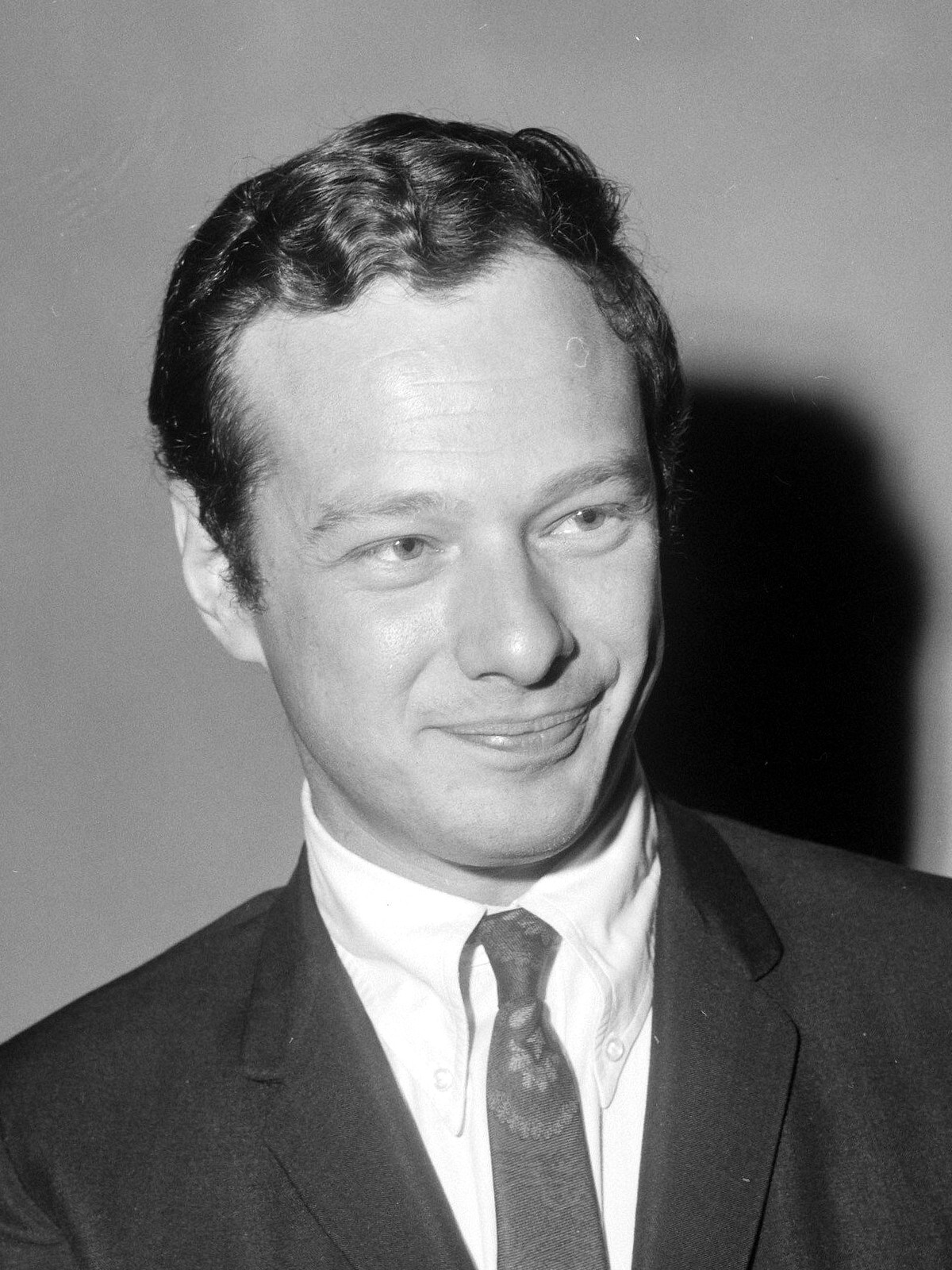
A man expelled from two schools for laziness would later teach the Beatles how to bow in unison. Brian Samuel Epstein was born in Liverpool on September 19, 1934, into a family whose furniture business, NEMS, stood for North End Music Stores. His grandfather Isaac Epstein had arrived in Britain from the Russian Empire in the 1890s, a Lithuanian Jew building a new life. Brian's father Harry and uncle Leslie joined the family trade, while his mother Malka, known as Queenie, came from the Hyman family, also furniture people. The boy who would one day manage the most famous band on earth started out surrounded by sofas and sideboards, not guitars.
Early years and failed schooling
The war years scattered the family to Southport, where Brian's school record turned dismal. Two schools threw him out for poor performance, and he cycled through Clayesmore, Liverpool College, and a Jewish school in Kent. At Reckin he spent two years studying violin, though nothing suggests he impressed anyone. His favorite childhood book was Pamela Brown's The Swish of the Curtain, a novel about kids staging their own theatre productions. At 16 he wanted to be a dress designer, but his father said no, and Brian went to work in the family furniture shop for 5 pounds a week.
In December 1952, conscription pulled him into the Royal Army Service Corps. The army did not suit him; he saw psychiatrists and was discharged on health grounds in January 1954. By 1955 he was a director of NEMS, and in the autumn of 1956 he enrolled at the Royal Academy of Dramatic Art in London. His classmates included Susannah York, Albert Finney, and Peter O'Toole. Epstein lasted three terms. In April 1957, while still a RADA student, he was arrested for attempting to meet an undercover police officer for a homosexual encounter, receiving two years' probation.
Running the NEMS record department
The following May, a casual sexual partner attacked him and demanded money for silence. Epstein reported the assault to the police, which forced him to reveal his homosexuality to his family. He left RADA and returned to Liverpool, where he took charge of the record department at the new NEMS store on Great Charlotte Street. Under his direction, the shop became one of the largest music retailers in Northern England. He poached Peter Brown from Lewis's with a higher salary and commission, building a team that understood both commerce and taste.
Epstein first heard of the Beatles through Mersey Beat magazine and posters designed by his acquaintance Tony Booth. He asked the paper's editor, Bill Harry, about the group. A customer named Raymond Jones then walked into NEMS asking for the Beatles' single My Bonnie, which sharpened Epstein's curiosity. His assistant Alister Taylor later claimed he had ordered the record himself, knowing it would catch the boss's attention. In August 1961, Epstein began writing a music column for Mersey Beat, positioning himself inside the scene he was about to transform.
The Cavern Club discovery
On November 9, 1961, Epstein and Taylor went to the Cavern Club to see the Beatles. After the show, George Harrison asked, "And what brings Mr. Epstein here?" Taylor thought the band was absolutely dreadful, yet something about them was remarkable. Epstein's verdict was simpler: "I think they're tremendous!" Former Beatles promoter Allan Williams advised him not to touch them. On December 3, 1961, Epstein offered his services as manager. At the meeting, John Lennon introduced disc jockey Bob Wooler as "my dad." Epstein asked if the group had a manager, and when told no, said, "Well then, it looks like somebody should look after you."
Epstein's verdict was simpler: "I think they're tremendous!"
The parents of Paul McCartney, George Harrison, and Pete Best approved the contract. Lennon's aunt and guardian Mimi Smith opposed it, but Lennon ignored her. On January 24, 1962, the Beatles signed a five-year deal with Epstein. Brian signed first but deliberately left his own signature off the document, explaining that this made it easier for the group to break the contract. He founded NEMS Enterprises as the management company. On October 1, 1962, four days before Love Me Do was released, Epstein signed Lennon and McCartney to a publishing deal with NEMS.
Packaging the Beatles' image
In 1963, acting on Epstein's advice, Northern Songs was created to control the copyrights of Lennon and McCartney's compositions. He persuaded the Beatles to swap leather jackets and jeans for suits and ties, ordering their first outfits from tailor Beno Dorn. He banned smoking, drinking, and eating on stage, and introduced the synchronized bow at the end of performances. McCartney was the first to agree. Lennon said he would wear a suit or even a balloon if someone paid him. Under Epstein's management, the group's fees rose and they moved into better venues. He also managed Gerry and the Pacemakers, Billy J. Kramer, Cilla Black, The Big Three, and others.
Epstein died in London on August 27, 1967, from an overdose of alcohol and barbiturates. The death was ruled accidental. He was 32 years old. The man who had packaged chaos into a global form never saw the Beatles turn into the institution they became. His brother Clive had been born 22 months after him, and the family that once sold furniture in Liverpool had produced the architect of a cultural empire. The contract he signed first but left unsigned remains one of the strangest documents in music business history.
The Beatles' early Parlophone singles and albums carry no mention of Epstein's name on the labels, yet his fingerprints are in every synchronized bow and tailored suit. The NEMS record shop on Great Charlotte Street, where a customer named Raymond Jones asked for My Bonnie, became the unlikely origin point of a managerial revolution. Epstein's story is not one of musical talent but of recognition: he saw something in a chaotic Cavern Club performance that others dismissed as dreadful. He died 59 years ago, leaving behind a template for artist management that still shapes the industry.