
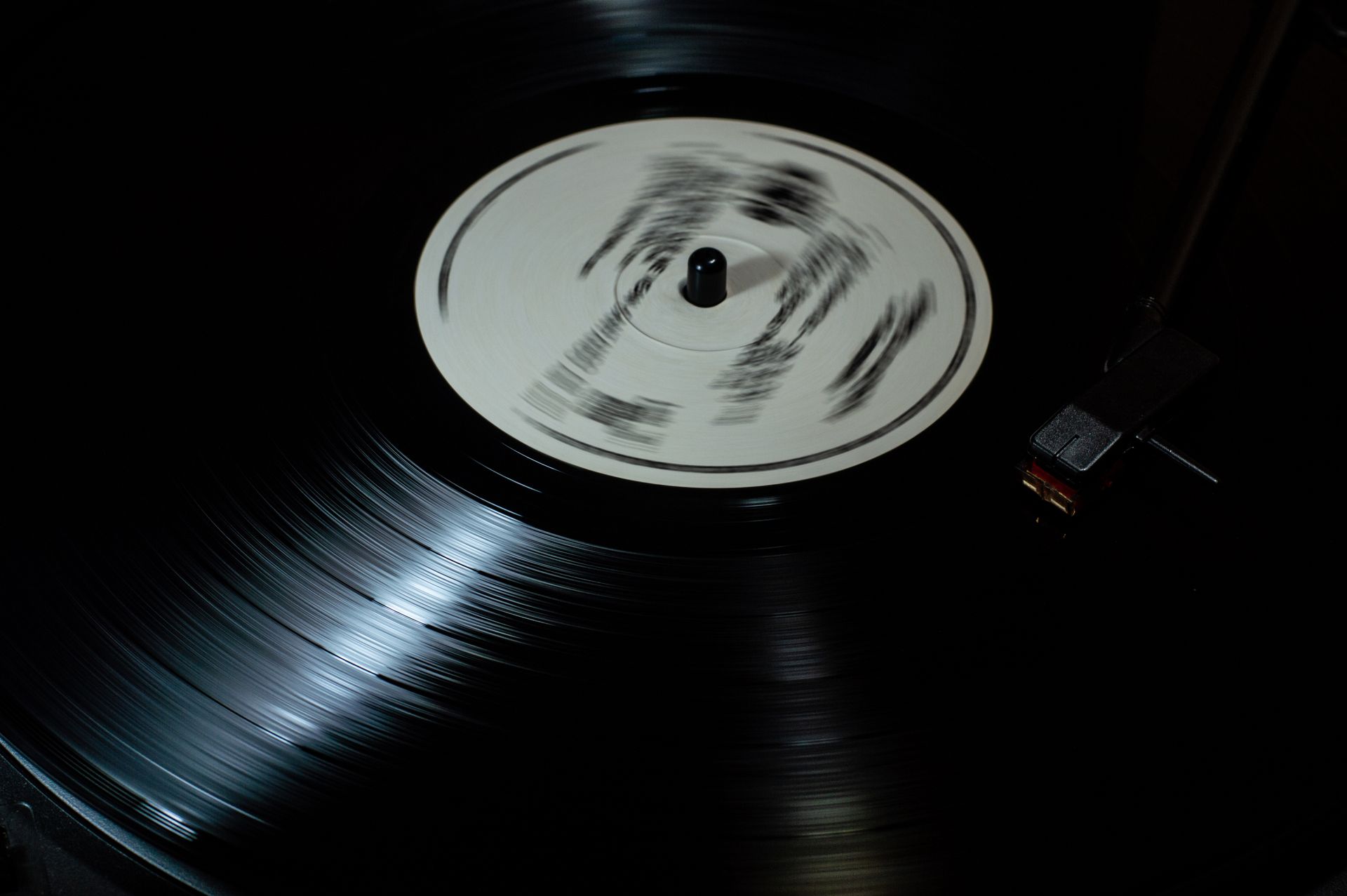
A plastic disc carrying the sound of two heartbeats and two people shouting each other's names was never going to fit neatly into a record shop rack. Yet that is exactly what John Lennon and Yoko Ono released as their third experimental album together, a boxed artefact that made no attempt to behave like pop music. It was called Wedding Album, and it arrived in American stores on 20 October 1969, while the couple were still the most talked-about newlyweds on the planet.
A box set of private sound
The record was the final part of a trilogy that had begun with Unfinished Music No. 1: Two Virgins, but it pushed the idea of private sound made public even further. In Britain it appeared simply under the name John and Yoko, no surnames, while the American pressing credited John Ono Lennon and Yoko Ono Lennon. The packaging was an expanded box set with photographs, comic drawings, a reproduction of the marriage certificate, and even a photograph of a slice of wedding cake tucked into a white envelope.
Most of the first side was recorded between 25 and 31 March 1969 in room 902 of the Hilton hotel in Amsterdam. Lennon and Ono were there for one of their Bed-In protests, during the honeymoon Bed-In. The centrepiece, John & Yoko, is built on the pair calling out each other's names, their voices shifting in volume, tempo and emotional colour while the recorded sound of both their heartbeats runs underneath.
Lennon recorded each voice through a separate microphone, then mixed the two tracks together himself. He later compared the heartbeat to African drums, and the piece to an extended version of Stan Freberg's comedy sketch John and Marsha. The effect is intimate and alienating at once.
Interviews and interludes on side two
The second side, Amsterdam, was actually recorded before the first, during the same Bed-In. It gathers interviews in which the couple explain their peace campaign, along with conversations and background noise captured in the hotel room. There are four musical interludes, including a blues piece where Lennon sings Goodbye Amsterdam Goodbye over an acoustic guitar, and a peace song by Ono called Grow Your Hair.
The whole album sits somewhere between avant-garde sound art and spoken word. It was not a commercial proposition in any ordinary sense. The British chart ignored it entirely, and in America it reached only 178 on the Billboard 200, staying on the list for three weeks. But Lennon said the title was about sharing their wedding with the people who were watching them, so perhaps chart positions were never the point.
Test pressings and a thank-you telegram
Even the critics were pulled into the performance. Melody Maker reviewer Richard Williams received two one-sided test pressings, with the reverse sides blank apart from an engineer's test signal. He assumed he had been sent a double album and wrote about sides filled with electronic tones. Lennon and Ono sent him a telegram thanking him for the review, which tells you everything about how seriously they took the line between art, prank and document.
Wedding Album remains the clearest statement of what Lennon and Ono wanted their marriage to mean in public: not a private romance but a broadcast, a campaign, a sound object you could hold in your hands. You could buy it on vinyl, cassette or 8-track, all in the same gift-box format. The box also included a mylar bag printed with the word "Bagism." In 1997 Rykodisc reissued the album with three bonus tracks, and in March 2019 Sean Lennon's label Chimera and Secretly Canadian released a 50th-anniversary edition containing only the two original tracks.
What makes the album worth hearing now is not melody or craft but the strange courage of its emptiness. Two people shouting names over a heartbeat, a hotel room full of questions and noise, a slice of wedding cake sealed in an envelope. That is the whole package: a marriage offered as evidence.