
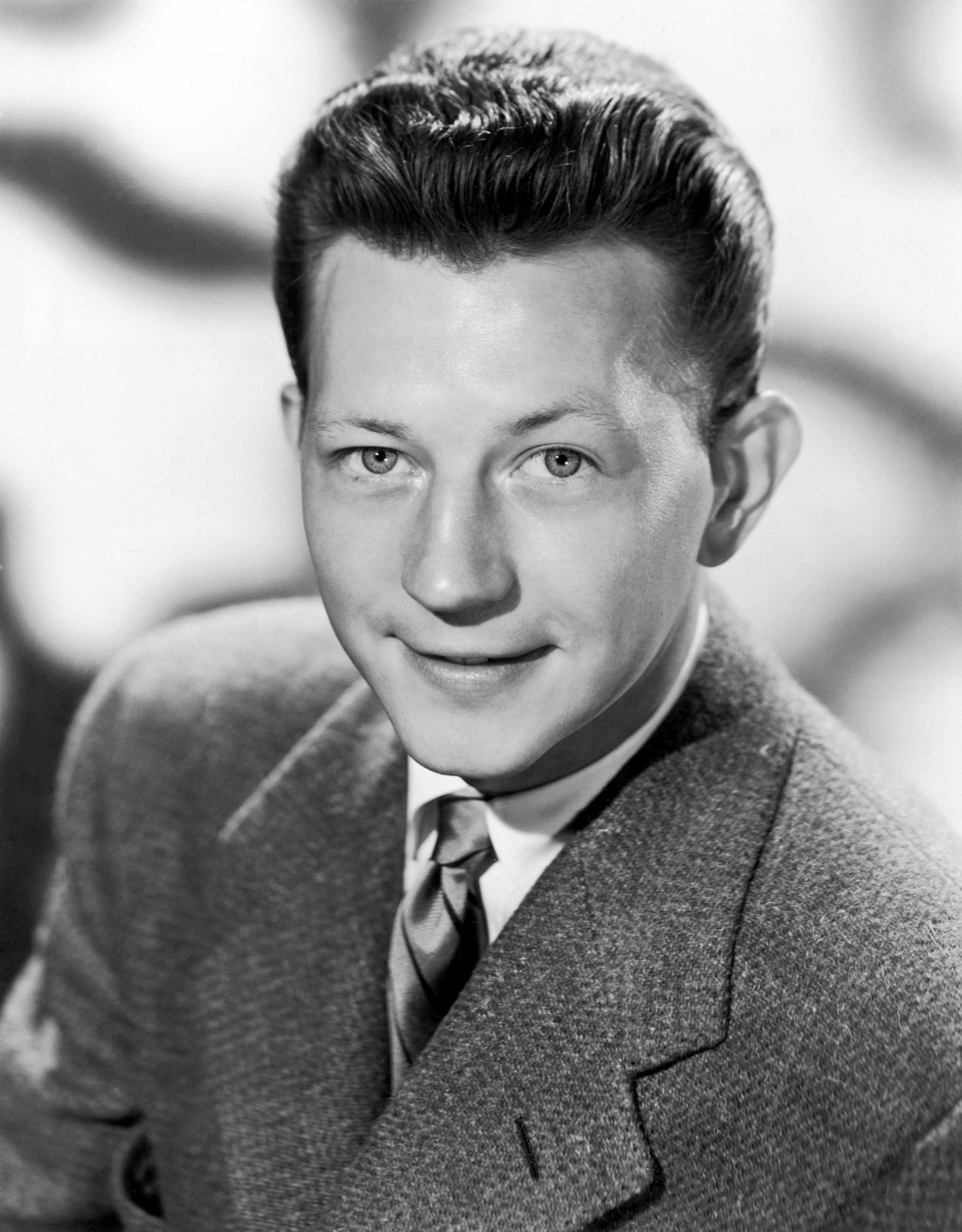
Thirteen months old, strapped into a car that crumpled around him, and the baby who would one day make the world laugh survived the wreck that killed his sister Arlene. That was Donald David Dixon Ronald O'Connor, born in Chicago on August 28, 1925, into a family that performed together as The O'Connor Family. Weeks after the crash, his father died of a heart attack onstage. The stage, the accident, the loss — they were not separate chapters. They were the same sentence, repeated for the rest of his life.
A childhood shaped by loss
The O'Connors were Irish vaudeville performers, and Donald was the youngest of seven children. Three of his siblings died in infancy. He learned to dance before he learned to read, trained by a family that understood show business as survival. The O'Connor Family toured constantly, and the boy absorbed timing, physical comedy, and the exact moment to break a silence. By the time Hollywood noticed him, he had already outlived half of his family and performed more shows than most adults.
Universal signed him in the early 1940s, and the studio shaped him into a quick-talking teenager in their musicals. He shared the frame with Gloria Jean and Peggy Ryan, and audiences responded to his boyish charm. But it was his athleticism that separated him from other dancers. He did not glide across a floor. He attacked it. Jumps, falls, slides — every move carried the risk of injury, and he made that risk look like joy.
The 'Make 'Em Laugh' showcase
MGM recalibrated the image by 1952, casting O'Connor as the more sympathetic sidekick to the leading man. That same year, he walked onto the set of Singin' in the Rain and performed 'Make 'Em Laugh.' The number is a showcase of physical comedy and dance, and O'Connor executed it with a manic energy that felt spontaneous. Most people who saw it assumed he was making it up as he went along. He was not.
The role earned him a Golden Globe in 1953. He also won a Primetime Emmy from four nominations, and later received two stars on the Hollywood Walk of Fame for film and television. The industry recognized him as a dancer, singer, actor, and host. He had also worked as a composer, director, and screenwriter. But the film that made him famous in the United States did something different in the former USSR.
A ghost in the Soviet machine
In the countries of the Soviet Union, Singin' in the Rain circulated for decades as a secondhand VHS copy, and O'Connor's name registered mostly as a supporting role. The main credit belonged to Gene Kelly. Yet the number 'Make 'Em Laugh' traveled differently. It was shared, replayed, and passed between friends. The man who danced it became a ghost in the machine — a face you recognized, a name you forgot, a body you remembered.
He died on September 27, 2003, in Calabasas, California. Twenty-three years have passed, and the anniversary lands on a quiet Saturday in 2026. The date does not appear in the script of any musical. There is no official ceremony, no restored print, no box set. But the date exists in the memory of anyone who has ever watched a man run up a wall and land on his feet while singing.
His full name was Donald David Dixon Ronald O'Connor. The four names read like a law firm, but the body that carried them was built for motion. Audiences loved the boyish charm, but the dancers who watched him closely saw something else: a man who could turn a pratfall into a form of prayer. The athleticism was not a style. It was a language.
The films with the mule Francis are still in circulation. The musicals with Gloria Jean and Peggy Ryan still play on late-night television. But the single image that remains is O'Connor throwing himself across a set wall while the camera holds. No safety net. No cut. Just a man who had been falling since he was thirteen months old, and had learned to turn every fall into a dance.