
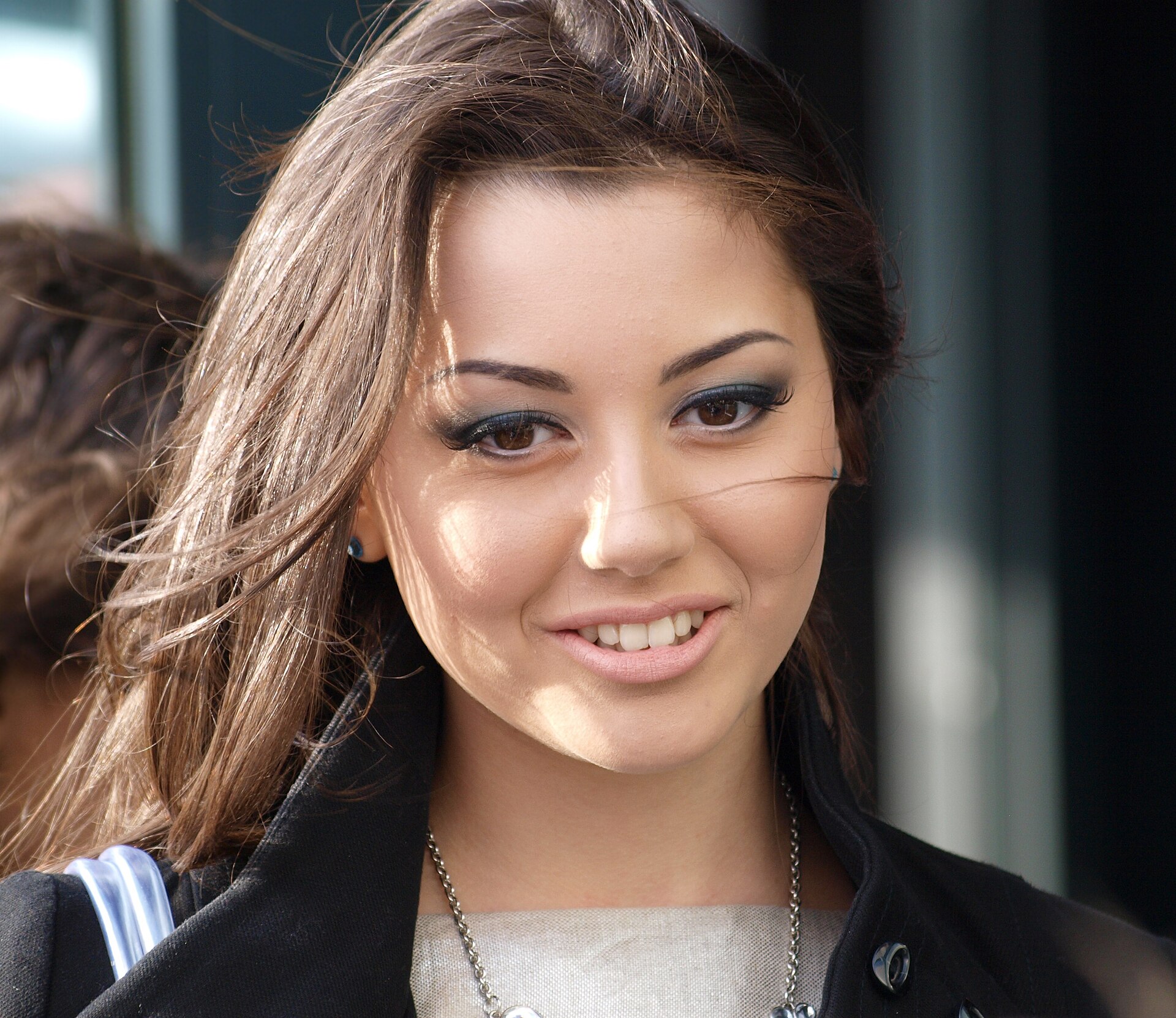
The saxophone came first. Not the singing, not the stage lights, not the Eurovision countdown. Safura Alizadeh wanted the brass instrument badly enough to make it happen, long before anyone outside Baku knew her name. Born on September 20, 1992, in Azerbaijan's capital, she would eventually carry a country's hopes to a fifth-place finish at Eurovision 2010. But the road to Oslo began with a child's fixation on a curved metal tube.
A musical household in Baku
Music was woven into the household. Her father worked as a professional artist, her mother split her time between piano and fashion design. Safura started singing at three, and by six she was already on stage. Those early years pulled her into children's ensembles with names that translated to Eastern Stars and Nightingales — Sharg Ulduzlari and Bulbullar — directed by Vagif Gerayzade and Aybeniz Hashimova. The training ground was serious, even for a kid.
School life was split across three institutions. Safura attended secondary school No. 164 from fifth grade, then moved to school No. 23 in eighth grade, eventually graduating from No. 23. She also completed a choreography school, which meant her body learned discipline alongside her voice. Music school No. 2 in Baku added violin and piano lessons to the schedule. The saxophone remained the goal she chased on her own terms.
From Pop Idol to national selection
By the time she finished that instrument, Safura had assembled a toolkit most pop singers never touch. Violin, piano, saxophone, dance training, ensemble experience from elementary school. Azerbaijan's musical competition circuit noticed early, and she entered it young. The national television project Yeni Ulduz — New Star — gave her a first major win, but it was the eighth season of Pop Idol in 2009 that turned her from a talented teenager into a name the country recognized.
That Pop Idol victory came with a specific opportunity. Azerbaijan's national selection for Eurovision 2010 took place on March 2, 2010, and Safura won it. The song she would carry to Oslo was 'Drip Drop,' written by Anders Bagge and Stefan Örn. She was 17, representing a country that had only started competing in Eurovision two years earlier. The stakes were not abstract.
Fifth place in Oslo
The Eurovision final in Oslo, Norway, delivered a fifth-place finish for Azerbaijan. Safura performed 'Drip Drop' on the biggest stage European pop could offer, and the result announced that the Caucasus nation was not sending filler acts. Her placement came after a national selection process that had already proven she could out-sing a field of Azerbaijani hopefuls. The saxophone she had dreamed about as a child was not part of the Oslo staging, but the discipline behind it was.
After Eurovision, Safura enrolled at the Azerbaijan State University of Culture and Arts. The move made sense for someone whose entire childhood had been structured around performance. She graduated, then relocated to Sweden. The choice of Scandinavia was perhaps unsurprising given the songwriting team behind 'Drip Drop' — two Swedish professionals had shaped her biggest international moment.
Her discography never ballooned into the massive catalog some Eurovision alumni chase. Instead, Safura's story reads as a series of deliberate steps: three schools, choreography training, two instruments plus saxophone, two children's ensembles, a national TV win, a Pop Idol title, a Eurovision final. Each stage built on the previous one without skipping. The girl who started singing at three was still, at 34 in 2026, the sum of those early Baku years.
The saxophone detail lingers. Most pop singers pick up guitar or piano because those instruments travel easily and photograph well. Safura wanted the saxophone, an instrument that demands breath control, embouchure, and a tolerance for delayed gratification. She learned it. That choice says more about her than any Eurovision scoreboard ever could. A kid in Baku saw a saxophone and decided that was the sound she needed to make.
A kid in Baku saw a saxophone and decided that was the sound she needed to make.