
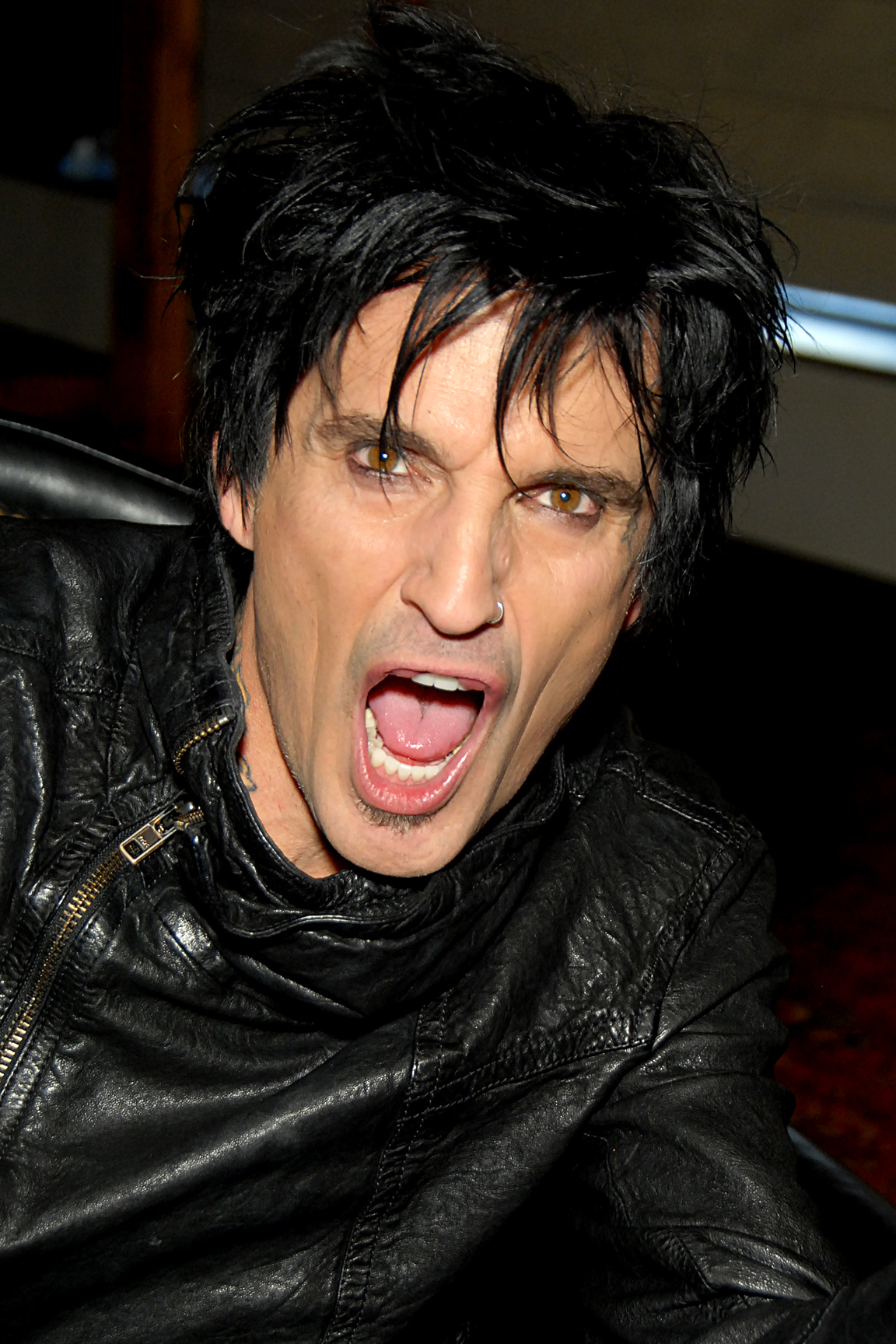
The drum kit lifted off the stage, tilted away from the lights, and swung out over the crowd while Tommy Lee kept playing and the audience looked straight up. Lee was the drummer of Mötley Crüe, the Los Angeles glam-metal band, and the spinning, hanging platform was his solo. None of that matched the start of a boy born in Athens, Greece, to a U.S. Army sergeant and a woman who had competed for Miss Greece. How did a kid from that household become the rock drummer who treated a solo as a flying circus?
From Athens to the Sunset Strip
Tommy Lee was born on October 3, 1962, and moved to California as a child. Drumsticks arrived early, a full kit came when he was a teenager, and school fell away as music took over. On the Sunset Strip, Lee played clubs and met bassist Nikki Sixx, who needed a drummer for a new band. After a previous band split in 1981, Lee and Sixx brought in guitarist Mick Mars and, on Lee's suggestion, singer Vince Neil; together they named the group Mötley Crüe. Lee then turned his solos into physical pieces: a rotating kit and another that hung above the crowd. The flying circus took shape in that club scene.
The band's debut album Too Fast for Love came out on the group's own label, a signal that they were not waiting for permission. From the stage, Lee made the drum kit a visual centerpiece. The rotating platform gave the crowd a moving view of his playing, and the suspended kit put him above the audience entirely. He also flashed his backside nearly every night, a crude joke that became as much a trademark as the drumming itself. The contrast was stark: a drummer who could play, but who did not stay seated like a sideman.
A Live Show That Built the Reputation
That debut had no major-label muscle behind it at first. The live show had to do the work of making Mötley Crüe hard to ignore. Lee's rotating and hanging kits turned a drum break into a reason to watch the band, not only hear it. That visual hook gave the group a reputation before the records could catch up. Fans left talking about the drummer above the crowd, and word of mouth traveled faster than a small-label record.
Lee's rotating and hanging kits turned a drum break into a reason to watch the band, not only hear it.
The live reputation turned Lee and Sixx into the Terror Twins. The nickname stuck as the band's shows grew more chaotic and audiences came to expect the unexpected. Readers of a rock magazine named Lee the best drummer year after year, evidence that the acrobatics did not bury the playing. The stunts and the drumming fed each other. Showmanship and musicianship were not rivals in that poll. For a glam-metal act, that was a rare balance.
The strange part is where Lee began. His father was a career soldier and his mother had been on a pageant stage, not a rock stage. The family's move from Athens to California put him close to the Sunset Strip scene, and dropping out of school was a risky trade for a club gig. That trade led directly to the moment a drum riser went airborne. The child of an army household had become the man hanging over the crowd.
In Mötley Crüe's live show, the sight of Tommy Lee rotating above the crowd became a set piece fans expected. It turned a drummer's solo into a ride, and it turned Lee into the visual center of a band that already dealt in excess. The boy from a military family had become the man strapped into a kit above the crowd, sticks moving, platform swaying, the audience looking straight up. The sound came from overhead, but the image stayed fixed after the show ended.